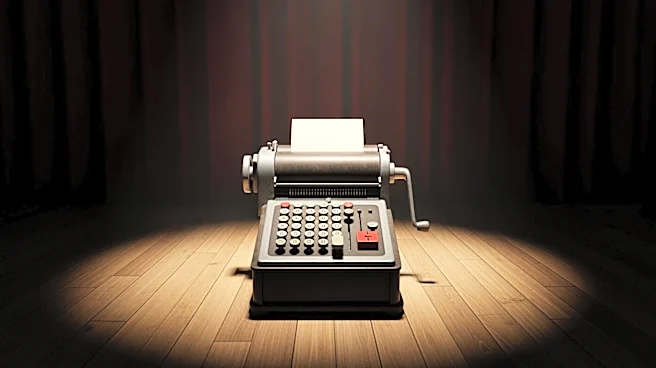







Elmer Rice's 'The Adding Machine,' first staged in 1923, is a landmark in American theater, known for its innovative use of expressionism and its critique of modern society. The play's exploration of themes such as mechanization and bureaucracy has left a lasting impact on contemporary theater, influencing both the style and substance of modern productions. This article examines the legacy of 'The Adding Machine,' highlighting its contributions to
theatrical expressionism and its enduring relevance in today's world.
Influence on Theatrical Expressionism
'Rice's 'The Adding Machine' is celebrated for its pioneering use of expressionism, a style that emphasizes the emotional and psychological experiences of characters through exaggerated and surreal elements. This approach was relatively new to American theater at the time, and Rice's successful implementation of expressionism paved the way for future playwrights to explore similar techniques.
The play's expressionistic style is characterized by its stark and distorted settings, which reflect the alienation and despair of modern life. Rice's use of expressionism allows audiences to engage with the themes of the play on a visceral level, experiencing the dehumanizing effects of mechanization and bureaucracy firsthand. This innovative approach has inspired countless playwrights and directors, who have adopted expressionistic techniques to convey complex themes and emotions in their own works.
Enduring Themes and Relevance
The themes explored in 'The Adding Machine' remain relevant in today's world, as society continues to grapple with issues of mechanization, bureaucracy, and conformity. Rice's critique of the dehumanizing effects of modern life resonates with contemporary audiences, who face similar challenges in an increasingly automated and impersonal world.
The play's exploration of conventionality and the loss of individuality is particularly pertinent in the digital age, where technology often dictates the pace and nature of human interactions. Rice's portrayal of Mr. Zero's struggle against a system that values efficiency over humanity serves as a cautionary tale, urging audiences to reflect on the societal norms and structures that govern their lives. The enduring relevance of these themes ensures that 'The Adding Machine' continues to be a powerful and thought-provoking work in modern theater.
Adaptations and Revivals
The legacy of 'The Adding Machine' is further cemented by its numerous adaptations and revivals, which have introduced the play to new generations of theatergoers. In 2007, the play was adapted into a musical, which enjoyed a successful Off-Broadway run in 2008. This adaptation retained the core themes of the original work while incorporating music and lyrics to enhance the emotional impact of the story.
The continued interest in 'The Adding Machine' demonstrates its lasting appeal and significance in the world of theater. By revisiting and reimagining Rice's work, contemporary productions keep the play's themes and style alive, ensuring that its legacy endures. As theater continues to evolve, 'The Adding Machine' remains a touchstone for artists seeking to explore the complexities of modern life through innovative and expressive means.