



'Sorry, Wrong Number' is a gripping tale that has captivated audiences through various mediums since its inception. Originally a radio play written by Lucille Fletcher in 1943, it was later adapted into a film noir classic in 1948. This article explores the journey of this story from its radio roots to its cinematic adaptation, highlighting the changes and expansions that occurred along the way.
From Radio Waves to the Big Screen
'Sorry, Wrong Number' began as a radio play on the Suspense
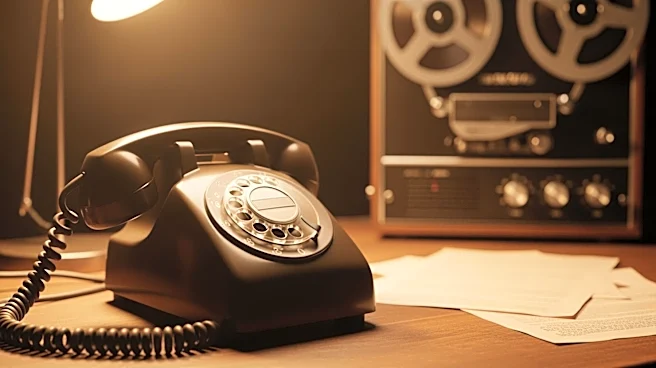
program, featuring Agnes Moorehead in a one-woman show. The plot revolves around Mrs. Stevenson, an invalid who accidentally overhears a murder plot on a crossed telephone line. The radio play was a tense, compact narrative that relied heavily on sound to build suspense. It was performed multiple times on radio, with Orson Welles praising it as "the greatest single radio script ever written."
The transition to film in 1948 required significant expansion of the story. The film, directed by Anatole Litvak, starred Barbara Stanwyck and Burt Lancaster. It extended the original radio play's narrative by incorporating flashbacks and additional characters, providing a deeper backstory for Mrs. Stevenson, now named Leona. The film's adaptation allowed for a more visual exploration of the suspenseful plot, utilizing the noir style's characteristic shadows and lighting to enhance the tension.
Expanding the Narrative
The film adaptation of 'Sorry, Wrong Number' expanded the original radio play's narrative significantly. While the radio play focused solely on the immediate suspense of the overheard murder plot, the film delved into Leona Stevenson's past and her relationship with her husband, Henry. This expansion provided a richer context for the story, exploring themes of betrayal and desperation.
The film's use of flashbacks was a key element in this expansion. These flashbacks revealed Leona's manipulative nature and her strained marriage, adding layers to her character that were not present in the radio version. The film also introduced new characters, such as Sally Lord, who played a crucial role in uncovering the plot against Leona. These additions helped to flesh out the story, making it more complex and engaging for a cinematic audience.
The Impact of Cinematic Techniques
The film version of 'Sorry, Wrong Number' utilized various cinematic techniques to enhance the suspense and drama of the story. The use of dark lighting and looming shadows, typical of the film noir genre, created a tense atmosphere that kept audiences on edge. The film's real-time progression, interspersed with flashbacks, maintained a high level of suspense throughout.
Barbara Stanwyck's performance as Leona Stevenson was a standout element of the film, earning her an Academy Award nomination for Best Actress. Her portrayal of a woman trapped by her own manipulations and fears added depth to the character, making her plight both compelling and tragic. The film's success at the box office and its enduring popularity are testaments to the effective adaptation of Fletcher's original radio play into a cinematic masterpiece.