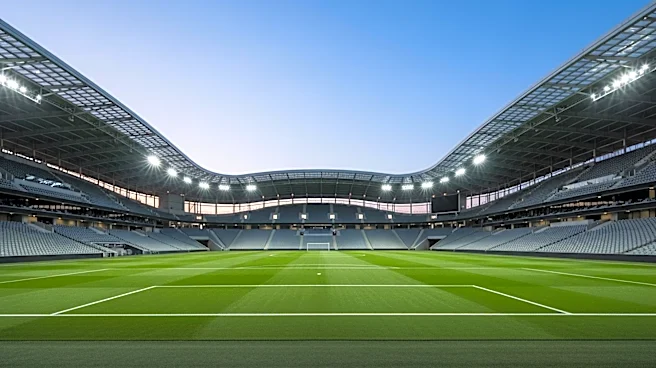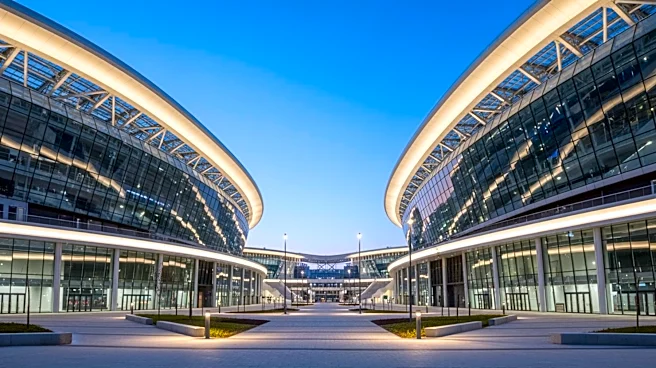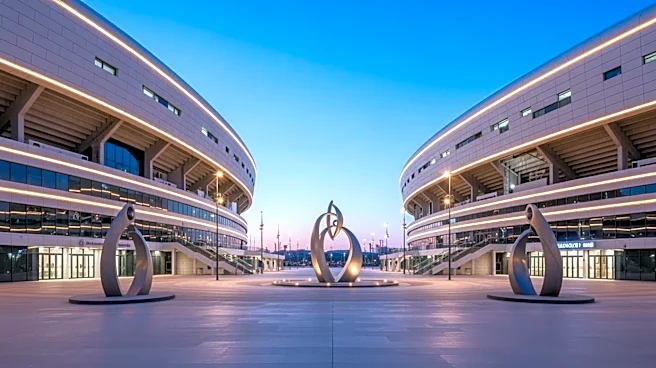



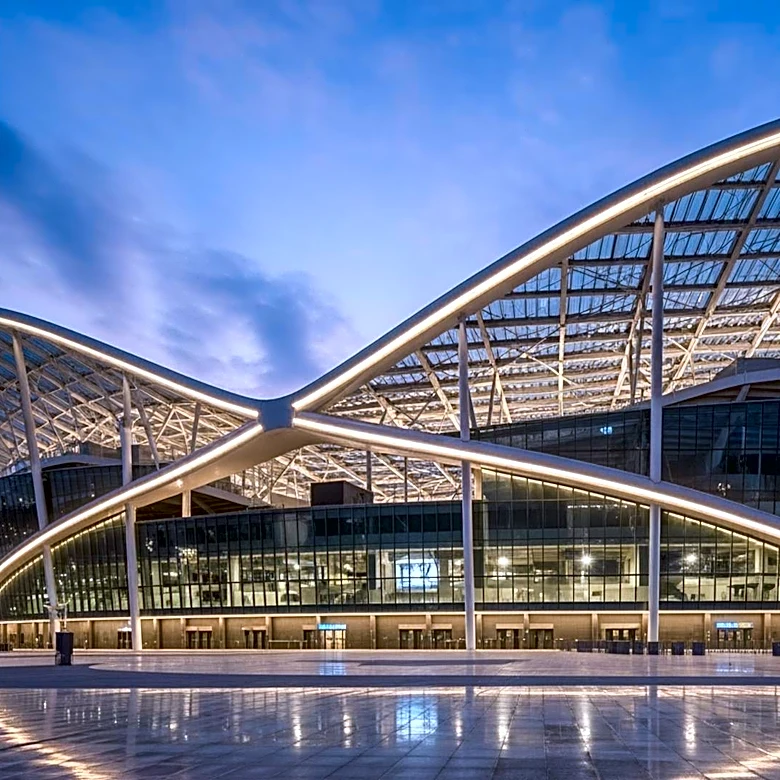



The Gwangju World Cup Stadium, located in Gwangju, South Korea, is not just a football stadium but a vibrant hub for sports and cultural events. Since its opening in 2001, the stadium has played a significant role in hosting a variety of events that extend beyond the realm of football. With a seating capacity of 40,245, it has become a central venue for both local and international gatherings, contributing to the cultural and social fabric of the region.
A Venue for Major Events
While the Gwangju World Cup Stadium is primarily known for its role in the 2002 FIFA World Cup, its use has expanded significantly over the years. The stadium has hosted a range of events, showcasing its versatility and importance as a cultural venue. In 2006, it was the site of the 3rd Asia Song Festival, organized by the Korea Foundation for International Culture Exchange. This event brought together artists from across Asia, highlighting the stadium's capacity to host large-scale cultural events.
In addition to music festivals, the stadium was the main venue for the 2015 Summer Universiade, an international multi-sport event for university athletes. This event further demonstrated the stadium's ability to accommodate diverse sporting events, attracting participants and spectators from around the world. The Gwangju World Cup Stadium's role in these events underscores its significance as a multi-purpose facility that serves the community in various ways.
Home to Gwangju FC
The Gwangju World Cup Stadium is also the home ground for Gwangju FC, a team in the K League, South Korea's professional football league. The team has used the stadium as its home base since 2011, with a brief hiatus between 2020 and 2024 when they played at the Gwangju Football Stadium. The presence of Gwangju FC at the stadium has helped foster a strong local fan base and has made the stadium a focal point for football enthusiasts in the region.
The stadium's association with Gwangju FC has also contributed to its identity as a sports venue. Regular football matches draw crowds of fans, creating a lively atmosphere and promoting community engagement. The stadium's role as the home of Gwangju FC ensures that it remains an active and vibrant part of the city's sports culture.
A Symbol of Community and Culture
Beyond its function as a sports venue, the Gwangju World Cup Stadium is a symbol of community and cultural pride. Its ability to host a wide range of events has made it a central gathering place for the people of Gwangju. The stadium's continued use for both sports and cultural events highlights its importance as a versatile and dynamic facility.
As a hub for sports and culture, the Gwangju World Cup Stadium plays a crucial role in the life of the city. It stands as a testament to Gwangju's commitment to fostering a vibrant community through sports and cultural activities, making it an enduring landmark in the region.