



Plyometrics is a form of exercise that involves explosive movements to enhance strength and power. At the heart of plyometric training is the stretch-shortening cycle (SSC), a natural muscle function that plays a crucial role in making movements more explosive and efficient. This article delves into the mechanics of the SSC and its significance in plyometric exercises.
The Mechanics of the Stretch-Shortening Cycle
The stretch-shortening cycle is a process where a muscle undergoes a rapid transition
from an eccentric contraction to a concentric contraction. During the eccentric phase, the muscle lengthens under load, storing elastic energy. This is followed by the concentric phase, where the muscle shortens, releasing the stored energy to produce movement. This rapid transition is essential for enhancing force and power output, making movements more explosive.
In practical terms, the eccentric phase can be seen when lowering into a squat or landing from a jump. The concentric phase occurs when jumping upward from a squat or pushing off the ground. The key to the SSC's effectiveness is the speed of the transition between these phases, which allows for maximum energy storage and release.
Plyometrics and the Stretch-Shortening Cycle
Plyometric exercises, such as jump squats and box jumps, are designed to take advantage of the SSC. These exercises involve repetitive jumping-related movements that increase speed, agility, and power. By utilizing the SSC, plyometrics can significantly enhance athletic performance, particularly in sports that require explosive movements like sprinting and jumping.
The SSC is not only beneficial for athletes but also for anyone looking to improve their physical fitness. By incorporating plyometric exercises into a workout routine, individuals can develop greater muscle power and efficiency, leading to improved overall performance in various physical activities.
Research and Applications of the Stretch-Shortening Cycle
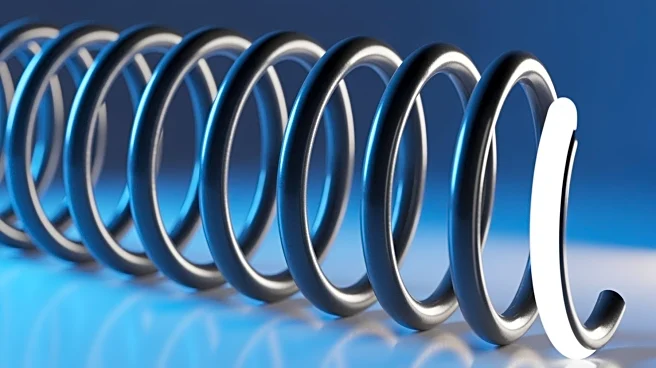
Research into the SSC has shown its effectiveness in improving movement efficiency and performance. Studies have demonstrated that the SSC can enhance the power output of muscles, making it a valuable component of athletic training. However, the exact mechanisms of how the SSC enhances performance are still being explored, with some studies suggesting that elastic structures in muscles store energy like a spring during the eccentric phase.
Despite ongoing research, the practical applications of the SSC in plyometric training are well-established. Athletes and fitness enthusiasts alike can benefit from understanding and utilizing the SSC to improve their explosive power and overall physical performance. By focusing on the rapid transition between muscle contractions, plyometrics harnesses the full potential of the SSC, making it a powerful tool in any training regimen.