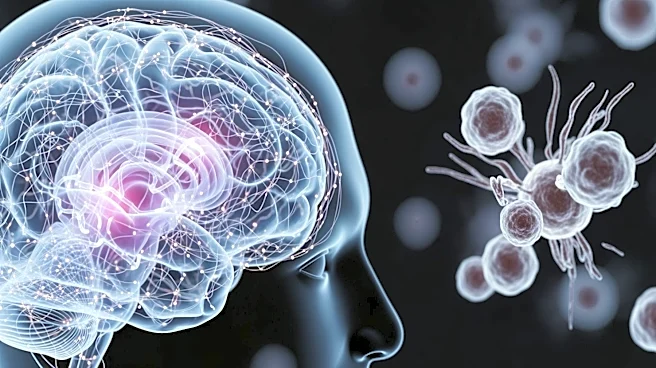







Interference theory is a key concept in cognitive psychology that explains how new learning can disrupt the recall of previously learned information. This theory is not only about the cognitive processes involved but also about the brain structures that play a crucial role in managing interference. Understanding these brain mechanisms provides valuable insights into how memory functions and how interference affects it.
Proactive Interference and the Prefrontal Cortex
Proactive interference occurs
when older memories interfere with the retrieval of newer ones. Research has identified specific brain regions involved in resolving proactive interference, particularly the ventrolateral prefrontal cortex and the left anterior prefrontal cortex.
The "recent-probes" task is a leading experimental technique used to study proactive interference in the brain. Participants commit a set of items to memory and are then asked to recall a specific item indicated by a probe. Functional magnetic resonance imaging (fMRI) studies have shown that these prefrontal areas are activated during the resolution of proactive interference, highlighting their role in managing memory competition.
These findings suggest that the prefrontal cortex is crucial for maintaining cognitive control and managing interference, allowing individuals to focus on new information while suppressing older, competing memories.
Retroactive Interference and the Frontal Cortex
Retroactive interference, or retroactive inhibition, occurs when newer memories interfere with the retrieval of older ones. Studies have localized retroactive interference to the left anterior ventral prefrontal cortex, particularly in elderly adults.
Magnetoencephalography (MEG) studies have shown that adults aged 55-67 exhibit less magnetic activity in their prefrontal cortices compared to younger individuals. This reduced activity is associated with deficits in working memory and changes in the functioning of executive control mechanisms located in the frontal cortex.
These findings underscore the importance of the frontal cortex in managing retroactive interference and suggest that age-related changes in brain activity can impact memory retrieval and performance.
Implications for Memory Research
The study of brain structures involved in interference theory has significant implications for memory research. By understanding the neural mechanisms that underlie interference, researchers can develop strategies to enhance memory retention and reduce the impact of interference.
For instance, mental practice has been shown to decrease retroactive interference, suggesting that cognitive exercises can improve memory performance. Additionally, insights into brain activity can inform interventions for age-related memory decline, helping to maintain cognitive function in older adults.
Overall, the role of brain structures in interference theory highlights the complex interplay between cognitive processes and neural mechanisms. This understanding is crucial for advancing memory research and developing effective strategies to manage interference.