



Astrology has been a significant cultural force throughout history, influencing various aspects of human life and thought. This article examines the cultural and social impact of astrology, highlighting its role in shaping beliefs, practices, and societal norms across different eras and regions.
Influence on Ancient Societies
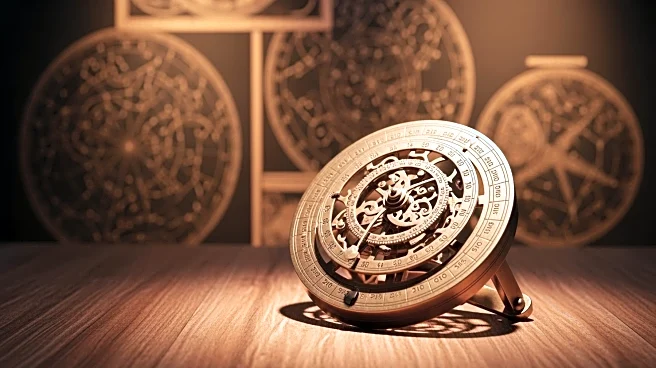
In ancient societies, astrology was deeply intertwined with religion and governance. The Babylonians, for instance, used astrology to interpret celestial events
as divine messages, which guided their agricultural practices and political decisions. This belief in the celestial influence on earthly affairs was a common thread in many ancient cultures, including the Egyptians, Greeks, and Romans.
Astrology also played a crucial role in the development of early scientific thought. In Greece, it was closely linked with astronomy, as both disciplines sought to understand the movements of celestial bodies. This connection persisted into the Roman era, where astrology was considered a scholarly tradition, influencing literature, medicine, and even politics.
Astrology in the Middle Ages
During the Middle Ages, astrology continued to exert a significant cultural influence, particularly in the Islamic world. Islamic scholars integrated astrology with their scientific and philosophical studies, preserving and expanding upon the knowledge inherited from the Greeks and Romans. This period saw the translation of many astrological texts into Arabic, which later influenced European thought during the Renaissance.
In medieval Europe, astrology was both revered and criticized. While some viewed it as a valuable tool for understanding human nature and predicting events, others, like the theologian Isidore of Seville, criticized its predictive aspects as theologically erroneous. Despite such criticisms, astrology remained popular, influencing literature, art, and even political decisions.
Modern Resurgence and Popularity
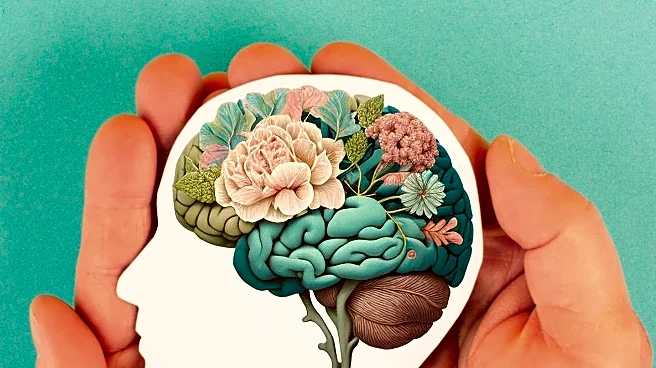
Astrology experienced a resurgence in popularity during the 19th and 20th centuries, influenced by the rise of spiritualism and New Age philosophies. This period saw the development of psychological astrology, which sought to integrate astrological concepts with modern psychological theories.
Today, astrology continues to be a cultural phenomenon, with millions of people around the world consulting horoscopes and astrological charts. Despite its lack of scientific validation, astrology remains a popular tool for self-reflection and understanding, offering individuals a sense of connection to the cosmos and a framework for interpreting their lives.
Astrology's enduring appeal lies in its ability to provide meaning and insight into the human experience, reflecting the timeless human desire to understand our place in the universe.