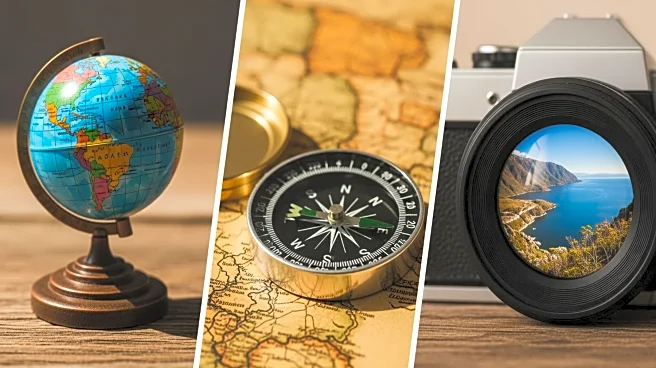




Tourist attractions are places of interest that draw visitors for their natural beauty, cultural significance, or entertainment value. These attractions can range from natural wonders to man-made marvels, each offering unique experiences to travelers. Understanding the different types of tourist attractions can enhance one's appreciation of the diverse options available for exploration.
Natural Attractions
Natural attractions are often the first to come to mind when thinking
about tourism. These include stunning landscapes such as beaches, mountains, deserts, and forests. National parks are prime examples of natural attractions, offering visitors the chance to experience the beauty and tranquility of nature. The allure of these sites lies in their ability to provide a sense of escape and adventure, allowing tourists to connect with the environment in a meaningful way.
In addition to landscapes, natural attractions can also include wildlife experiences. Zoos and aquariums, while not entirely natural, offer a glimpse into the animal kingdom and are popular among families and animal enthusiasts. These attractions provide educational opportunities and foster a greater understanding of biodiversity and conservation efforts.
Cultural and Historical Attractions
Cultural and historical attractions offer a window into the past and present of a destination. These sites include historical landmarks, ancient temples, and monuments that tell the stories of civilizations long gone. Museums and art galleries also fall under this category, showcasing the artistic and cultural heritage of a region.
Cultural attractions are not limited to static sites; they also encompass events and festivals that celebrate local traditions and customs. These events provide tourists with an immersive experience, allowing them to participate in the cultural fabric of a place. Ethnic enclaves, such as Chinatowns, offer a taste of different cultures within a single city, making them popular tourist destinations.
Novelty and Entertainment Attractions
Novelty attractions are unique and often quirky sites that capture the imagination of tourists. These include oddities like the "biggest ball of twine" or creative installations like Carhenge, where old cars are arranged to mimic Stonehenge. Such attractions are often part of regional culture and provide a fun diversion for travelers.
Entertainment attractions, such as theme parks and carnivals, offer thrilling experiences for visitors of all ages. These sites are designed to provide amusement and leisure, often featuring rides, games, and shows. They are a significant draw for families and groups looking for a day of fun and excitement.
Tourist attractions, whether natural, cultural, or entertaining, play a crucial role in the travel industry. They not only provide memorable experiences for visitors but also contribute to the economic and cultural vitality of their locations.