

Timing belts have played a significant role in the evolution of automotive engines, providing a reliable method for synchronizing engine components. Over the years, the design and materials of timing belts have evolved, leading to improvements in engine performance and efficiency. This article delves into the history of timing belts, tracing their development and adoption in the automotive industry.
Early Developments and Adoption
The concept of toothed belts dates back to the early
1940s, initially used in textile mills. The first known application of a timing belt in an automobile engine was in the 1954 Devin-Panhard racing car, which utilized a toothed belt to convert the engine from pushrods to overhead camshafts. This innovation marked a significant milestone in engine design, allowing for more precise valve timing and improved engine performance.
The 1962 Glas 1004 was the first mass-produced vehicle to feature a timing belt, setting the stage for wider adoption in the automotive industry. In the United States, the 1966 Pontiac OHC Six engine was the first to use a timing belt, followed by the 1966 Fiat Twin Cam engine, which was the first to employ a timing belt with twin camshafts. These developments demonstrated the advantages of timing belts over traditional chains and gears, including reduced noise, weight, and maintenance requirements.
Advancements in Materials and Design
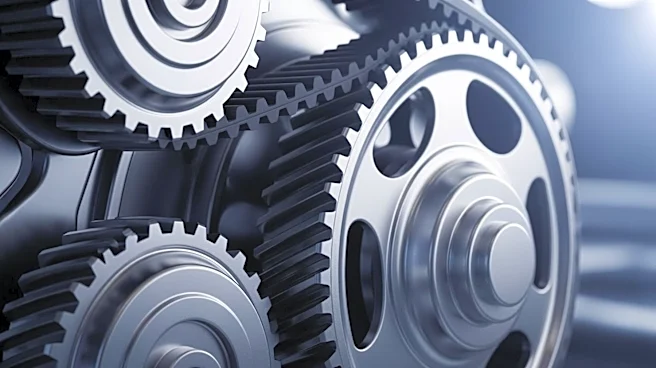
As the automotive industry progressed, so did the materials and design of timing belts. Initially made from natural rubber, timing belts evolved to incorporate synthetic materials such as neoprene and HNBR, which offered improved durability and resistance to environmental factors. The introduction of corded fibers for reinforcement further enhanced the strength and longevity of timing belts.
Manufacturers also refined the design of timing belt teeth, transitioning from trapezoidal shapes to curved profiles. This change reduced wear and noise, contributing to longer belt life and improved engine performance. These advancements made timing belts a popular choice for mass-production cars throughout the 1970s and 1980s.
The Shift Towards Timing Chains
Despite the advantages of timing belts, the 1990s saw a shift towards timing chains in many modern engines. Timing chains offered the benefit of a longer lifespan and reduced maintenance, as they did not require periodic replacement like timing belts. However, timing belts remain a viable option for many engines, particularly those where noise reduction and weight savings are priorities.
In conclusion, the evolution of timing belts has been marked by significant advancements in materials and design, leading to improved engine performance and efficiency. While timing chains have gained popularity in recent years, timing belts continue to play a crucial role in automotive engines, offering a reliable and cost-effective solution for synchronizing engine components.