



Turtles play crucial roles in maintaining the health and balance of ecosystems around the world. From their contributions to nutrient cycling to their impact on food webs, these ancient reptiles are vital to the environments they inhabit. This article explores the ecological roles of turtles and their importance in preserving biodiversity and ecosystem stability.
Nutrient Cycling and Habitat Maintenance
Turtles contribute significantly to nutrient cycling, particularly in aquatic ecosystems.
As omnivores, they consume a variety of plant and animal matter, helping to control populations of certain species and maintain ecological balance. Their feeding habits also aid in the dispersal of seeds and the cycling of nutrients, promoting plant growth and supporting diverse habitats.
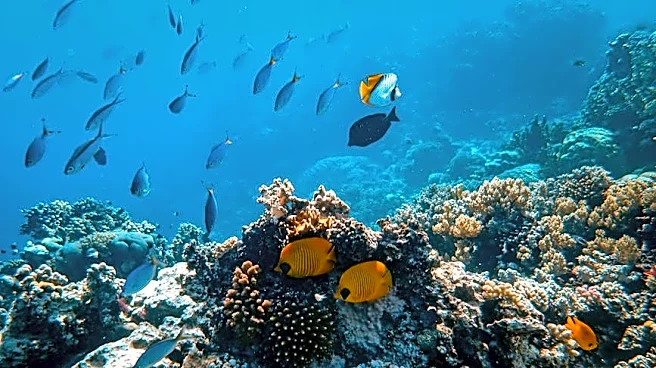
In marine environments, sea turtles play a vital role in maintaining the health of seagrass beds and coral reefs. By grazing on seagrass, they prevent overgrowth and promote the health of these underwater meadows, which serve as breeding and developmental grounds for numerous marine species. Similarly, hawksbill turtles help control sponge populations on coral reefs, preventing them from outcompeting corals and ensuring the reef's structural integrity.
Impact on Food Webs
Turtles occupy various trophic levels within food webs, influencing the dynamics of predator-prey relationships. As both predators and prey, they help regulate populations of other species, contributing to the overall stability of ecosystems. For example, snapping turtles are important predators in freshwater habitats, controlling populations of fish, amphibians, and invertebrates.
In turn, turtles themselves are prey for a range of predators, including birds, mammals, and larger reptiles. Their eggs and hatchlings are particularly vulnerable, providing a crucial food source for many species. This interconnectedness highlights the importance of turtles in supporting diverse and balanced ecosystems.
Conservation and Ecosystem Health
The decline of turtle populations due to habitat destruction, pollution, and climate change poses significant threats to ecosystem health. As keystone species, turtles have a disproportionate impact on their environments, and their loss can lead to cascading effects throughout the ecosystem. Conservation efforts aimed at protecting turtle habitats and reducing human-induced threats are essential for preserving biodiversity and maintaining ecosystem stability.
By safeguarding turtle populations, we not only protect these remarkable creatures but also ensure the health and resilience of the ecosystems they inhabit. Turtles are more than just ancient reptiles; they are guardians of ecosystems, playing vital roles in maintaining the delicate balance of nature.