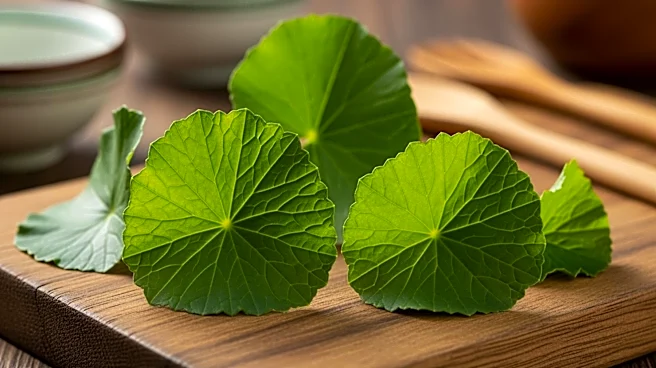



Centella asiatica, known as gotu kola, is not only valued for its medicinal properties but also for its culinary versatility. This perennial herb is a staple in many traditional dishes across different cultures, particularly in Asia. Its unique flavor and nutritional benefits make it a popular ingredient in salads, curries, and beverages.
Southeast Asian Delicacies
In Burmese cuisine, Centella asiatica is used as the main ingredient in a salad mixed with onions, crushed peanuts,
bean powder, and seasoned with lime juice and fish sauce. This dish highlights the herb's ability to blend with other flavors, creating a refreshing and nutritious meal. Similarly, in Sri Lanka, gotu kola is a predominant leafy green used in a dish called malluma, which accompanies rice and vegetarian dishes like lentils and pumpkin curry. The malluma is prepared with finely chopped gotu kola, grated coconut, diced shallots, lime juice, and sea salt, often enhanced with green chilis, chili powder, turmeric, or carrots.
In Indonesia, Centella leaves are used in sambai oi peuga-ga, an Aceh salad, and mixed into asinan in Bogor. In Cambodia, Vietnam, and Thailand, the leaves are used to prepare drinks or eaten raw in salads or cold rolls. In Bangkok, vendors sell pennywort drinks alongside other health beverages, showcasing its popularity as a refreshing drink.
South Asian and Other Regional Cuisines
In Malay cuisine, Centella asiatica is known as pegaga and used in ulam, a type of vegetable salad. In Bangladesh and India, particularly in West Bengal, the herb is called Thankuni Pata and used in dishes like Thankuni Patar Bora, a pakora-like snack made with mashed Centella, lentils, onion, and green chili.
Centella asiatica is also used in modern sweet pennywort drinks and herbal teas. The leaves can be stir-fried in coconut oil or cooked in coconut milk with garlic or dhal, offering a variety of preparation methods that highlight its versatility.
Nutritional and Cultural Significance
Centella asiatica is considered nutritious, providing essential vitamins and minerals. Its widespread use in traditional dishes underscores its cultural significance and adaptability to various culinary practices. The herb's ability to enhance flavors and provide health benefits makes it a cherished ingredient in many regional cuisines.
The diverse culinary applications of Centella asiatica reflect its importance in cultural traditions and its role in promoting health through diet. As more people seek natural and nutritious food options, the popularity of this versatile herb continues to grow, bridging culinary practices across different cultures.