
Protein-energy malnutrition (PEM) is a widespread issue that affects millions of people worldwide, particularly in developing countries. It is a major contributor to child mortality and has significant
implications for global health. This article examines the prevalence and impact of PEM on a global scale, highlighting the challenges and potential solutions.
Prevalence of PEM Worldwide
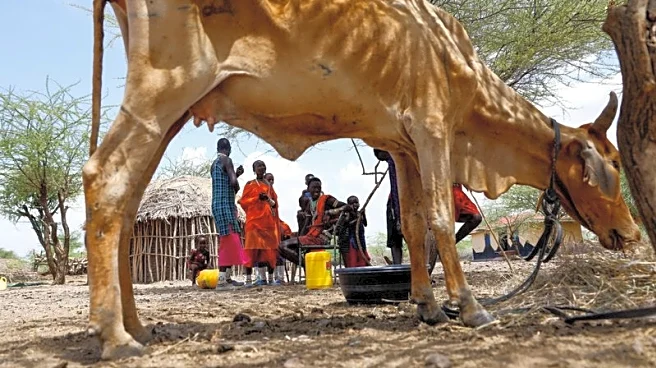
PEM is more common in developing countries, where food insecurity and poverty are prevalent. According to estimates, nearly one in three people globally suffer from some form of malnutrition, including PEM. The condition is particularly concerning among children under five, with millions affected by stunting, wasting, and underweight.
In regions like South Asia and Sub-Saharan Africa, the prevalence of PEM is alarmingly high. Factors such as inadequate access to nutritious food, poor healthcare infrastructure, and socio-economic disparities contribute to the widespread occurrence of PEM in these areas.
Impact on Child Mortality
PEM is a leading cause of child mortality, accounting for a significant percentage of deaths in children under five. The condition weakens the immune system, making children more susceptible to infections and diseases. In many cases, PEM is a contributory factor in deaths from conditions like pneumonia, diarrhea, and malaria.
Efforts to reduce child mortality must address PEM as a critical component. By improving nutrition and access to healthcare, we can significantly reduce the number of deaths associated with PEM and enhance the overall health of children in affected regions.
Addressing PEM on a Global Scale
Combating PEM requires a multi-faceted approach that includes improving food security, enhancing healthcare access, and promoting nutritional education. International organizations and governments must work together to implement policies that address the root causes of PEM and provide support to vulnerable populations.
Investments in agriculture, such as providing subsidies for fertilizers and seeds, can increase food production and reduce prices, making nutritious food more accessible. Additionally, community-based healthcare initiatives can provide essential services and education to those in need, helping to prevent and treat PEM effectively.
The global impact of protein-energy malnutrition is profound, affecting millions of lives and contributing to significant health challenges. By understanding its prevalence and impact, we can develop strategies to address PEM and improve health outcomes worldwide.