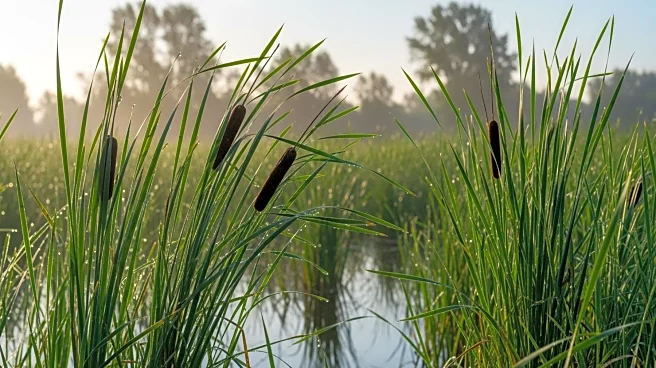

Wetlands are among the most ecologically significant ecosystems in the United States, providing a range of essential services that benefit both the environment and human populations. These areas, characterized
by their saturation with water, support a diverse array of plant and animal life adapted to wet conditions. This article explores the ecological functions of wetlands and their importance in maintaining environmental health and biodiversity.
Ecological Functions of Wetlands
Wetlands perform several critical ecological functions that contribute to the health of the environment. One of their primary roles is water filtration. As water flows through a wetland, it slows down, allowing sediments and pollutants to settle out. This natural filtration process helps improve water quality by removing excess nutrients, heavy metals, and other contaminants before they reach larger bodies of water.
In addition to water filtration, wetlands also play a crucial role in flood control. By acting as natural sponges, they absorb and store excess water during heavy rainfall, reducing the risk of flooding in surrounding areas. This capacity to regulate water flow is particularly important in urban and agricultural regions, where flood damage can have significant economic and social impacts.
Biodiversity and Habitat Provision
Wetlands are biodiversity hotspots, providing habitat for a wide range of species. They support a variety of plant life, including hydrophytic vegetation that thrives in saturated soils. This diverse plant community, in turn, provides food and shelter for numerous animal species, including birds, amphibians, and invertebrates.
The presence of wetlands is vital for migratory birds, which rely on these ecosystems for breeding, feeding, and resting during their long journeys. The North American Wetlands Conservation Act recognizes this importance by funding projects that protect and manage wetland habitats for migratory birds and other wildlife. By preserving these areas, the act helps maintain the ecological balance and supports the survival of many species.
Challenges to Wetland Conservation
Despite their ecological importance, wetlands face numerous threats from human activities and environmental changes. Urbanization, agriculture, and infrastructure development have led to significant wetland loss and degradation. Since the 16th century, more than half of the original wetlands in the contiguous United States have been destroyed or degraded.
Efforts to conserve and restore wetlands are ongoing, with federal policies such as the "no net loss" goal aiming to balance wetland destruction with restoration. However, challenges remain in enforcing regulations and ensuring that conservation efforts are effective. Continued public awareness and support for wetland conservation are essential to protect these vital ecosystems for future generations.
Wetlands are indispensable to the ecological health of the United States, providing critical services that support biodiversity and environmental stability. As conservation efforts continue, understanding and valuing the functions of wetlands will be key to their preservation.