



In the realm of precision livestock farming, automatic feeders play a crucial role in enhancing the efficiency and welfare of livestock management. These feeders are designed to provide feed to cattle at designated times, ensuring that animals receive the right amount of nutrition without the need for constant human intervention. This article delves into the functionality of automatic feeders in livestock farming and their benefits for both farmers
and animals.
The Functionality of Automatic Feeders
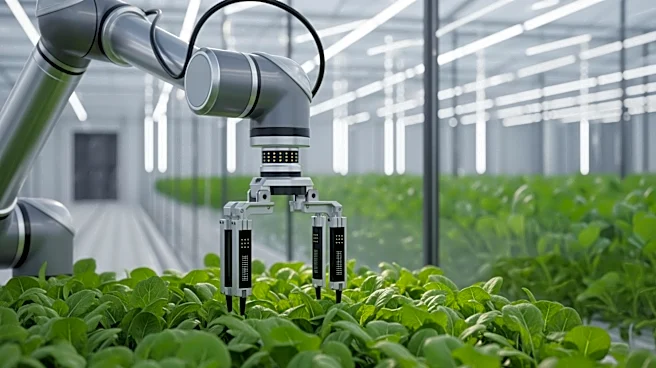
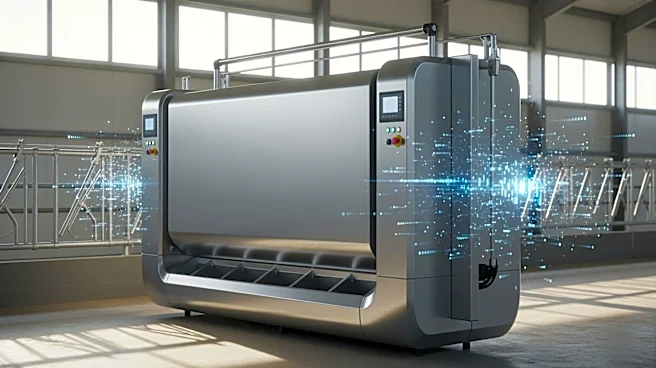
Automatic feeders in livestock farming are sophisticated tools that utilize robotic technology to deliver feed to cattle. These robots can be either rail-mounted or self-propelled, and they are programmed to mix and deliver feed rations at specific times. This automation ensures that cattle receive a consistent and balanced diet, which is essential for their health and productivity.
The precision of automatic feeders allows for the delivery of programmed amounts of feed, reducing waste and ensuring that each animal receives the appropriate nutrition. This level of control is particularly beneficial in large-scale farming operations, where managing the dietary needs of numerous animals can be challenging. By automating the feeding process, farmers can focus on other critical aspects of livestock management, such as health monitoring and breeding.
Benefits for Farmers and Animals
The use of automatic feeders in livestock farming offers several advantages. For farmers, these feeders represent a significant time-saving tool, as they reduce the need for manual feeding and allow for more efficient farm management. The automation of feeding schedules also leads to more consistent feeding times, which can improve the overall health and productivity of the livestock.
For the animals, automatic feeders contribute to better welfare by ensuring that they receive a balanced diet tailored to their specific needs. This consistency in feeding can lead to improved growth rates and overall health, as well as a reduction in stress associated with irregular feeding schedules. Additionally, the precise delivery of feed helps prevent overfeeding or underfeeding, both of which can have negative impacts on animal health.
The Future of Livestock Farming
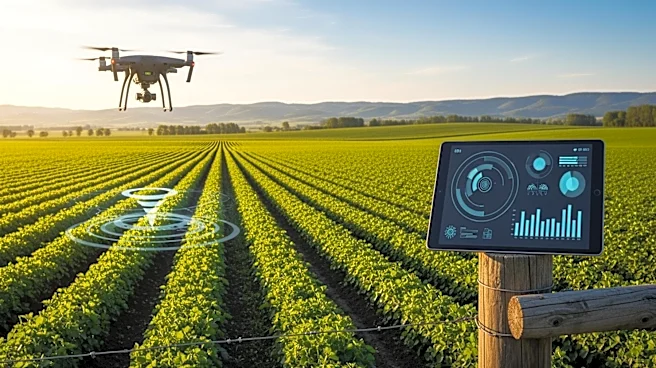
As technology continues to advance, the role of automatic feeders in livestock farming is likely to expand. These devices are part of a broader trend towards precision livestock farming, which aims to optimize the management of livestock through the use of technology. By integrating automatic feeders with other precision farming tools, such as activity collars and inline milk sensors, farmers can gain a comprehensive understanding of their livestock's needs and improve overall farm efficiency.
In conclusion, automatic feeders are a vital component of modern livestock farming, offering benefits for both farmers and animals. As the industry continues to evolve, these feeders will play an increasingly important role in ensuring the sustainability and productivity of livestock operations.