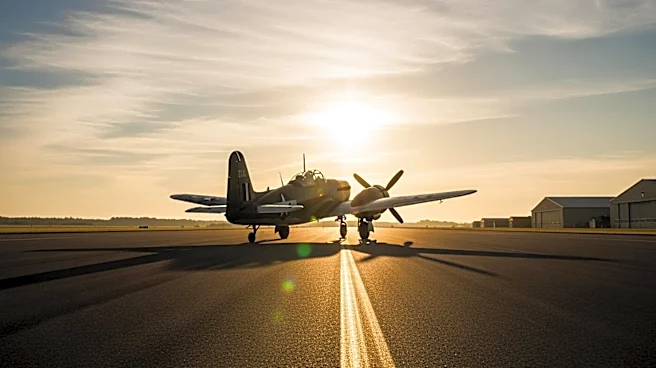







Naval Air Station Squantum, located in Quincy, Massachusetts, played a pivotal role in military training during World War II. This article explores the significance of Squantum as a training base for naval aviators, highlighting its contributions to the war effort and its impact on notable figures like Ted Williams.
Historical Significance
Naval Air Station Squantum has a rich history dating back to its early days as a civilian airfield known as Harvard Aviation Field. During
World War I, the Massachusetts Naval Militia established a seaplane hangar and pier on the site, marking the beginning of its military use. By World War II, Squantum had evolved into a crucial training facility for American and British naval aviators.
During the war, Squantum served as a maritime patrol base, with Navy squadrons conducting anti-submarine patrols over Massachusetts Bay and the Gulf of Maine. The base was equipped with various aircraft, including Grumman J2F Ducks and Consolidated PBY Catalinas, which were essential for patrol missions. Squantum's role in training naval aviators was vital to the success of the Allied forces.
Training Programs and Contributions
Naval Air Station Squantum was not only a patrol base but also a training ground for naval aviation cadets. It provided elimination and primary flight instruction, preparing cadets for advanced training in fighter, torpedo, and dive-bomber squadrons. The base also offered training to Fleet Air Arm squadrons from the Royal Navy, showcasing its international significance.
The training programs at Squantum were comprehensive, covering various aspects of naval aviation. The base's contributions to the war effort were significant, as it helped produce skilled aviators who played crucial roles in combat operations. Squantum's impact extended beyond its immediate operations, influencing the broader scope of military aviation during the war.
Legacy and Closure
After World War II, Naval Air Station Squantum continued to serve as a key component of the Naval Air Reserve Training Command. It remained a focal point for Navy and Marine Corps reserve aviation training in New England until its closure in 1953. The base's proximity to Boston's Logan International Airport and its short runways contributed to its eventual shutdown.
Despite its closure, Squantum's legacy endures. The base's contributions to military training during World War II are remembered as a vital part of the war effort. Today, Squantum Point Park and other developments occupy the site, preserving the memory of its historical significance. Naval Air Station Squantum remains a symbol of the dedication and innovation that characterized military training during a pivotal era in history.