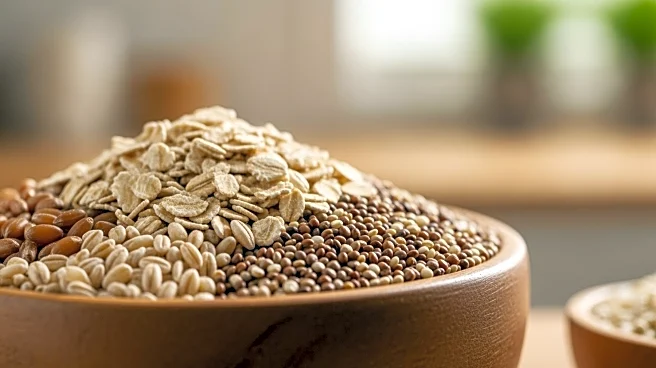

Whole grains are a staple in many diets around the world, known for their rich nutritional profile and health benefits. Unlike refined grains, whole grains retain all parts of the grain kernel, including
the endosperm, germ, and bran. This composition makes them a powerhouse of nutrients and dietary fiber, contributing to a healthier lifestyle. In this article, we will delve into the nutritional components of whole grains and their associated health benefits.
Nutritional Components of Whole Grains
Whole grains are an excellent source of carbohydrates, which are essential for providing energy to the body. They also contain a variety of nutrients, including vitamins and minerals, that are crucial for maintaining good health. For instance, whole grains are rich in B vitamins, such as thiamine, riboflavin, and niacin, which play a vital role in energy metabolism. Additionally, they provide minerals like iron, magnesium, and zinc, which are important for various bodily functions.
Another significant component of whole grains is dietary fiber. Fiber is known for its ability to promote digestive health by aiding in regular bowel movements and preventing constipation. It also helps in maintaining a healthy weight by providing a feeling of fullness, which can reduce overall calorie intake. The presence of fiber in whole grains is one of the key reasons they are recommended as part of a balanced diet.
Health Benefits of Whole Grains
Consuming whole grains as part of a healthy diet is associated with a lower risk of several chronic diseases. Studies have shown that diets rich in whole grains can reduce the risk of heart disease, stroke, and certain types of cancer. This is partly due to the high fiber content, which helps lower cholesterol levels and improve heart health.
Whole grains are also linked to a reduced risk of type 2 diabetes. The fiber and nutrients in whole grains help regulate blood sugar levels, making them a beneficial choice for individuals looking to manage or prevent diabetes. Furthermore, the antioxidants found in whole grains can help protect the body from oxidative stress, which is a contributing factor to many chronic diseases.
Whole Grains in a Balanced Diet
Incorporating whole grains into your diet is relatively easy, as they can be found in a variety of foods. Common whole grain foods include whole wheat bread, brown rice, oatmeal, and quinoa. When choosing whole grain products, it's important to look for labels that indicate the product is made with 100% whole grains to ensure you're getting the full nutritional benefits.
The 2005 Dietary Guidelines for Americans recommend that individuals over the age of nine consume at least three servings of whole grains each day. By making whole grains a regular part of your diet, you can enjoy their numerous health benefits while contributing to overall well-being.