




Protein skimmers are vital components in the maintenance of healthy aquatic environments. By removing organic compounds from water, they help ensure the well-being of aquatic life in both commercial and home aquarium settings. This article examines the role of protein skimmers in aquatic environments, highlighting their importance in water treatment and the benefits they provide to aquatic ecosystems.
Maintaining Water Quality
One of the primary functions of protein skimmers
is to maintain water quality by removing organic waste. In aquariums and aquaculture facilities, organic compounds such as proteins and amino acids can accumulate from food particles and fish waste. If left unchecked, these compounds can degrade water quality, leading to harmful conditions for aquatic life.
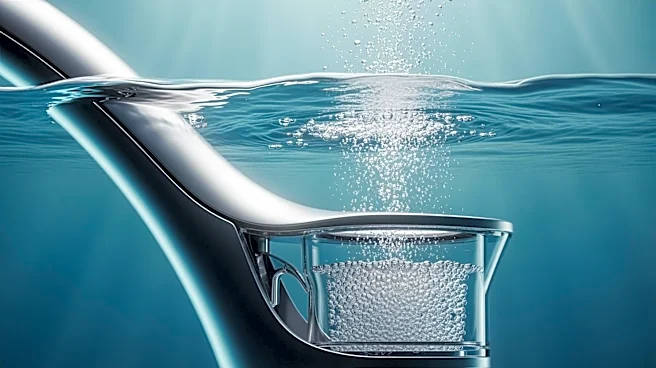
Protein skimmers address this issue by using air bubbles to create foam, which collects and removes organic compounds from the water. This process not only improves water clarity but also reduces the burden on other filtration systems. By effectively removing organic waste, protein skimmers play a crucial role in maintaining a healthy and balanced aquatic environment.
Supporting Aquatic Life
In addition to improving water quality, protein skimmers support the health and well-being of aquatic life. In saltwater aquariums, where maintaining water quality is particularly challenging, protein skimmers are essential for the survival of marine organisms. By removing organic waste, they help prevent the buildup of harmful substances that can stress or harm fish and invertebrates.
Protein skimmers also play a role in supporting the growth and viability of algae and phytoplankton. These organisms are often harvested for culturing or commercial sale, and protein skimmers provide a gentle method of collection that maintains their viability. This capability is particularly valuable in aquaculture settings, where the cultivation of live cultures is a key component of the operation.
Enhancing Filtration Systems
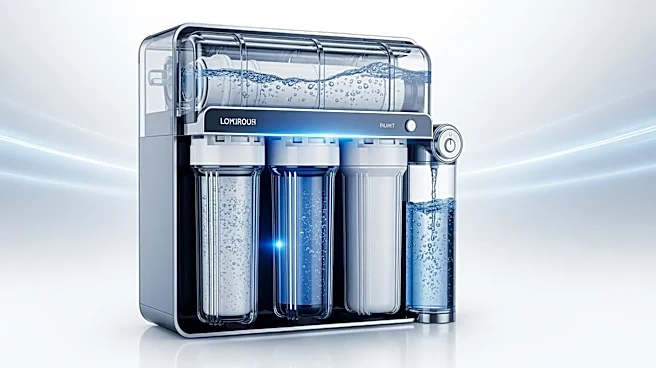
Protein skimmers are often used in conjunction with other filtration systems to enhance overall water treatment. While they are effective at removing organic compounds, they do not eliminate all harmful substances, such as ammonia, nitrite, nitrate, and phosphate. As a result, alternative filtration methods, such as algae scrubbers, are sometimes used alongside protein skimmers to address these limitations.
By integrating protein skimmers into a comprehensive water treatment strategy, aquarists and water treatment professionals can achieve optimal water quality. The ability of protein skimmers to efficiently remove organic waste makes them an indispensable tool in maintaining healthy aquatic environments, ensuring the well-being of aquatic life and the success of aquaculture operations.