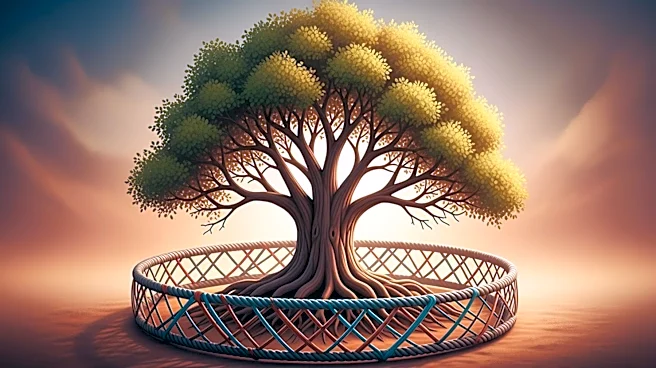







In today's fast-paced world, extended families serve as a crucial support network, providing emotional, financial, and practical assistance to their members. This article analyzes the role of extended families in contemporary society, highlighting their importance in fostering stability and resilience. From sharing resources to offering guidance, extended families play a vital role in the lives of individuals and communities.
Emotional and Financial Support
Extended families offer
a wide range of emotional and financial support to their members. In times of crisis, having a larger pool of family members to rely on can provide a sense of security and belonging. This support network is particularly important in single-parent households, where extended family members can help share the burden of meeting expenses and providing childcare.
Financially, extended families often pool their resources to support one another. This arrangement can help alleviate the pressures of economic hardships, such as unemployment or housing foreclosures. By sharing resources, extended families can provide a safety net for their members, ensuring that basic needs are met and reducing stress levels.
Role Models and Cultural Values
Extended families also play a significant role in perpetuating cultural values and traditions. With multiple generations living together or in close proximity, children have the opportunity to learn from the experiences and wisdom of their elders. This exposure to diverse perspectives can help shape their values and behavior, fostering a sense of identity and belonging.
In addition to cultural values, extended families provide a variety of role models for children. Having multiple adults involved in their upbringing can offer different perspectives and guidance, helping children develop a well-rounded understanding of the world. This diverse support network can also help reinforce positive behavior and encourage personal growth.
Challenges and Opportunities
While extended families offer numerous benefits, they also present challenges. Balancing the needs and expectations of multiple generations can be difficult, and conflicts may arise over shared responsibilities and resources. However, these challenges can also present opportunities for growth and learning, as family members work together to find solutions and support one another.
In modern society, extended families continue to play a vital role in fostering stability and resilience. As family structures evolve, the importance of extended families as a support network becomes increasingly apparent. By providing emotional, financial, and practical assistance, extended families help individuals navigate the complexities of contemporary life, ensuring that they have the resources and support they need to thrive.