
Fenway Park, the home of the Boston Red Sox, is renowned for its unique architectural features and quirks that set it apart from other Major League Baseball stadiums. As the oldest active ballpark in the league,
Fenway Park's design reflects a bygone era of baseball, with its distinctive elements contributing to its charm and character. This article explores the unique features and quirks of Fenway Park that make it a beloved venue for baseball fans.
The Green Monster and Pesky's Pole
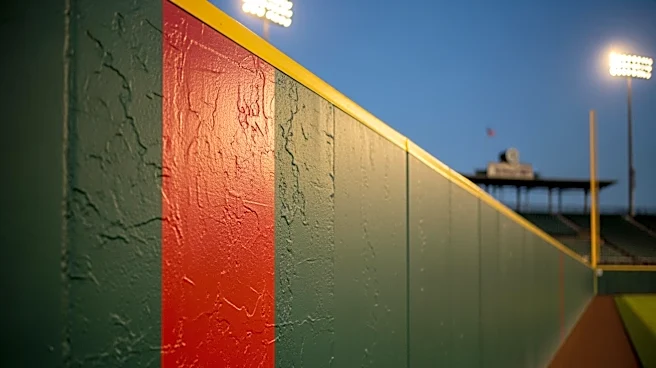
One of the most iconic features of Fenway Park is the Green Monster, the towering left-field wall that stands 37.167 feet tall. Located just 310 to 315 feet from home plate, the Green Monster often benefits right-handed hitters, making it a target for home runs. The wall was part of the original ballpark construction in 1912 and has undergone several modifications over the years, including the addition of a manually operated scoreboard.
Another unique feature is Pesky's Pole, the right-field foul pole named after former Red Sox player Johnny Pesky. Standing just 302 feet from home plate, Pesky's Pole is the shortest outfield distance in Major League Baseball. Despite its short distance, home runs around the pole are relatively rare due to the sharp curve of the fence behind it.
The Triangle and The Lone Red Seat
Fenway Park's asymmetrical design includes a peculiar area known as "The Triangle" in center field. This region, where the walls form a triangle, is 420 feet from home plate, making it one of the deepest parts of the park. The Triangle adds an element of unpredictability to the game, as balls hit into this area can result in extra bases for batters.
Another notable feature is The Lone Red Seat, located in the right-field bleachers. This seat marks the spot where Ted Williams hit the longest home run in Fenway Park history, measured at 502 feet. The seat serves as a reminder of Williams' legendary power and the park's storied past.
Architectural Quirks and Limitations
Fenway Park's age and constrained location in Boston's dense Fenway-Kenmore neighborhood have resulted in several architectural quirks. The park is the fifth-smallest among MLB ballparks by seating capacity and one of nine that cannot accommodate at least 40,000 spectators. The narrow foul territory and obstructed view seats, due to pillars supporting the upper deck, are reminders of the architectural limitations of older ballparks.
Despite these quirks, Fenway Park's unique features contribute to its charm and allure. The park's distinctive design elements create a one-of-a-kind experience for fans and players alike, making it a cherished venue in the world of baseball.