
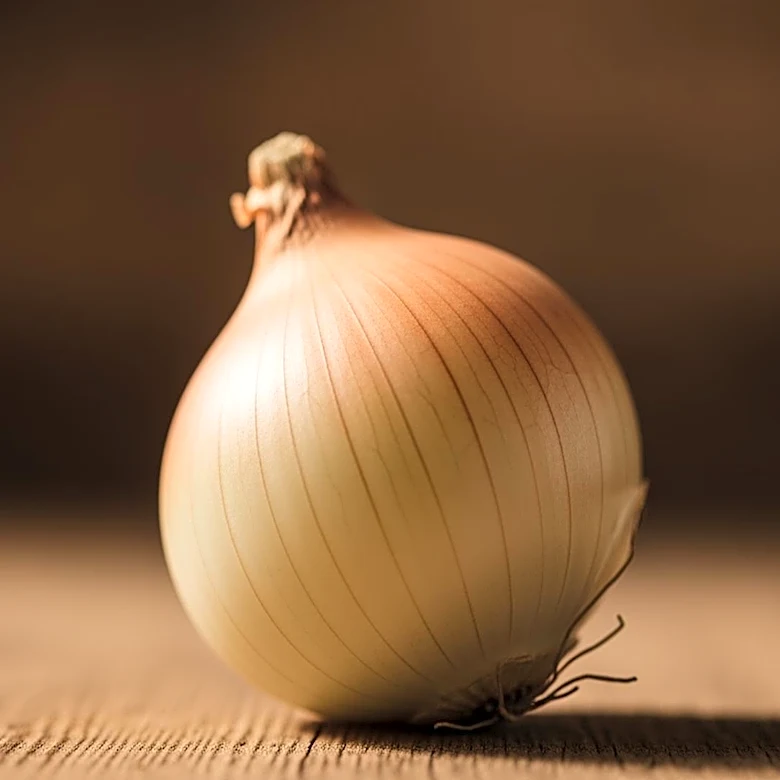



Garlic has been a part of human history for thousands of years, revered not only for its culinary uses but also for its cultural and symbolic significance. From ancient civilizations to modern times, garlic has played a role in various aspects of life, from medicine to folklore.
Garlic in Ancient Civilizations
Garlic's history dates back over 7,000 years, with its origins in Central Asia. It was known to ancient civilizations such as the Babylonians, Egyptians, and Romans, who valued
it for its flavor and medicinal properties. In Egypt, garlic was so highly prized that it was used as currency and placed in the tombs of pharaohs, including Tutankhamun.
The Greeks and Romans also held garlic in high regard, using it to enhance the strength and endurance of their soldiers and athletes. It was believed to have protective qualities, warding off evil spirits and diseases. This belief in garlic's protective powers persisted through the ages, influencing its use in various cultural practices.
Cultural Significance of Garlic
Garlic's cultural impact extends beyond its historical uses. In many cultures, it is associated with protection and purification. In European folklore, garlic was believed to ward off vampires and other supernatural creatures. This association with protection is reflected in its use in rituals and traditions across different cultures.
In the Middle East, garlic is a staple in many traditional dishes, symbolizing hospitality and warmth. It is often used in sauces and dips, such as toum and hummus, which are shared among family and friends. This communal aspect of garlic consumption highlights its role in bringing people together through food.
Garlic in Modern Times
Today, garlic continues to be a cultural icon, celebrated in festivals and culinary events around the world. Its versatility and unique flavor have made it a favorite ingredient in global cuisines, from Italian pasta dishes to Asian stir-fries. Garlic's enduring popularity is a testament to its ability to adapt to changing tastes and culinary trends.
In addition to its culinary uses, garlic remains a subject of scientific research, with studies exploring its potential health benefits. While its medicinal properties are still debated, garlic's cultural and historical significance is undeniable. It stands as a symbol of resilience and adaptability, bridging the gap between ancient traditions and modern culinary practices.