







Interlagos, a neighborhood in São Paulo, Brazil, is renowned for its motorsport circuit, the Autódromo José Carlos Pace. This area has a rich history that dates back to the early 20th century, marked by significant urban and infrastructural developments. The neighborhood's name, Interlagos, is derived from its location between two large reservoirs, Guarapiranga and Billings, which were constructed to supply water and electric power to São Paulo.
Early Beginnings and Urbanization
The
history of Interlagos is closely tied to the urbanization of São Paulo in the early 20th century. As the city expanded rapidly, there was a growing need for reliable water and power sources. This led to the construction of the Guarapiranga and Billings reservoirs, which played a crucial role in supporting the city's infrastructure. The neighborhood of Interlagos emerged on the east bank of the Guarapiranga reservoir, becoming a key area in the southern region of São Paulo.
During this period, São Paulo was undergoing significant changes, with new neighborhoods and districts being developed to accommodate the city's growing population. Interlagos was part of this transformation, evolving from a relatively undeveloped area into a bustling neighborhood. The construction of the reservoirs not only provided essential resources but also shaped the geographical and social landscape of the region.
The Birth of the Interlagos Circuit
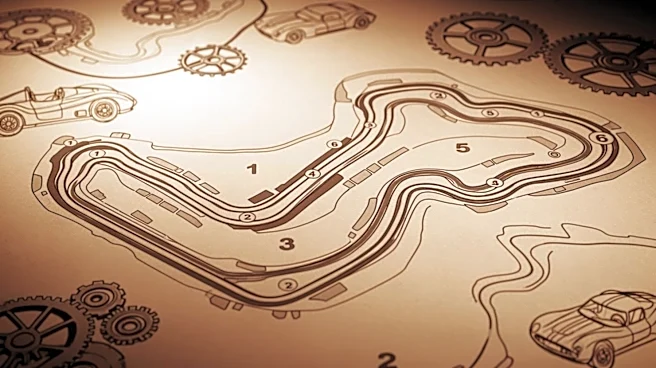
The Interlagos circuit, officially known as the Autódromo José Carlos Pace, has a storied history that began in the 1920s. As São Paulo continued to urbanize, the idea of building a motorsport circuit in the area gained traction. The circuit was eventually constructed, becoming a prominent venue for motorsport events in Brazil. Although the official name of the circuit changed in the 1970s to honor Brazilian driver José Carlos Pace, it is still commonly referred to as Interlagos.
The circuit's development was part of a broader trend of motorsport gaining popularity in Brazil and around the world. Interlagos quickly became a key location for racing events, attracting both local and international attention. Its challenging layout and unique setting between the reservoirs made it a favorite among drivers and fans alike.
Modern Developments and Legacy
Today, Interlagos remains an integral part of São Paulo's cultural and sporting landscape. The neighborhood has continued to evolve, with modern developments and infrastructure improvements enhancing its appeal. The Autódromo José Carlos Pace continues to host major motorsport events, including the Formula One Brazilian Grand Prix, solidifying its status as a world-class racing venue.
The legacy of Interlagos is not only defined by its motorsport heritage but also by its role in the urban development of São Paulo. The neighborhood's history reflects the dynamic changes that have shaped the city over the past century, making it a fascinating area with a rich cultural and historical significance.