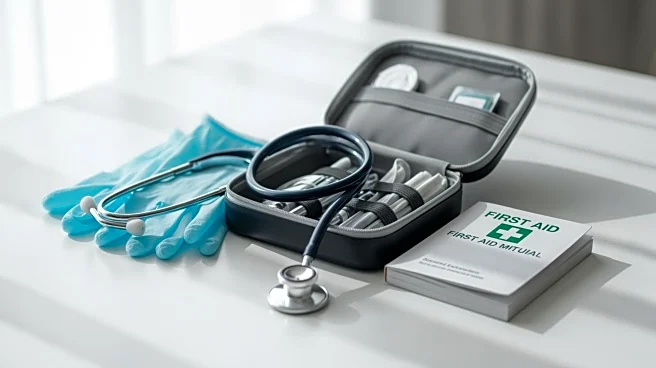




First aid protocols are essential guidelines that help responders provide effective care during medical emergencies. These protocols, such as the ABC and CABD methods, ensure that critical life-saving interventions are prioritized. This article explores the different first aid protocols, their components, and their importance in emergency situations.
The ABC Protocol
The ABC protocol stands for Airway, Breathing, and Circulation, and it serves as a mnemonic for essential
steps in first aid. Originally developed for cardiopulmonary resuscitation (CPR), the ABC protocol is widely used in various medical and trauma situations. The primary goal is to ensure that the airway is clear, breathing is adequate, and circulation is maintained, as these are vital for sustaining life.
In unconscious patients, the airway must be opened using techniques like the head tilt-chin lift maneuver. Breathing is assessed to determine if artificial ventilation is needed, while circulation involves checking for a pulse and performing chest compressions if necessary. The ABC protocol emphasizes the importance of addressing these three areas in sequence to prevent hypoxia and cardiac arrest.
CABD and Other Variations
In 2010, the American Heart Association updated its guidelines, recommending a shift from ABC to CABD for most cardiac arrest cases. CABD stands for Circulation, Airway, Breathing, and Defibrillation. This change prioritizes chest compressions to maintain circulation before addressing airway and breathing, reflecting the importance of minimizing interruptions during CPR.
The CABD protocol includes the use of automated external defibrillators (AEDs) to restore heart function. Defibrillation is crucial for treating certain arrhythmias, such as ventricular fibrillation, and can significantly improve survival rates. Other variations of the ABC protocol include the addition of steps like Disability or Exposure, depending on the specific needs of the patient.
Wider Protocols and Applications
Beyond the basic ABC and CABD protocols, there are wider protocols that incorporate additional tasks before and after first aid techniques. The European protocol, for example, includes steps like protection for rescuers, evaluation of the patient, and alerting medical services. The AMEGA protocol adds an aftermath phase, focusing on recording and reporting, continued care, and responder welfare.
These protocols are designed to be adaptable to different contexts and audiences, ensuring that first aid is delivered effectively. Whether in a workplace, school, or public event, understanding and applying these protocols can make a significant difference in emergency situations.