

The 1967 Indianapolis 500 was a landmark event in the world of motorsport, showcasing significant technological advancements and the challenges that come with innovation. Held at the Indianapolis Motor Speedway, this race featured groundbreaking vehicles and strategies that pushed the boundaries of racing. This article explores the innovations introduced during the race and the obstacles that teams and drivers faced.
The Revolutionary STP-Paxton Turbocar
One of the most notable innovations
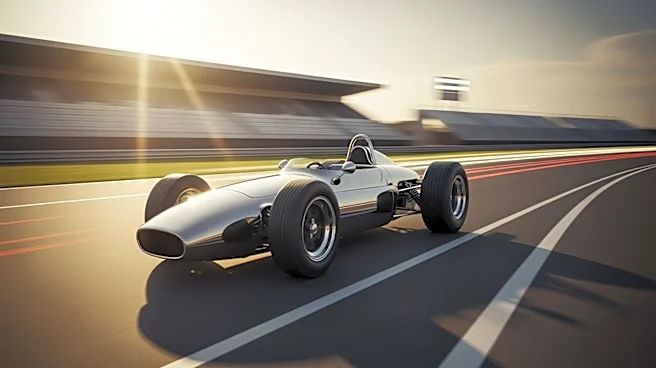
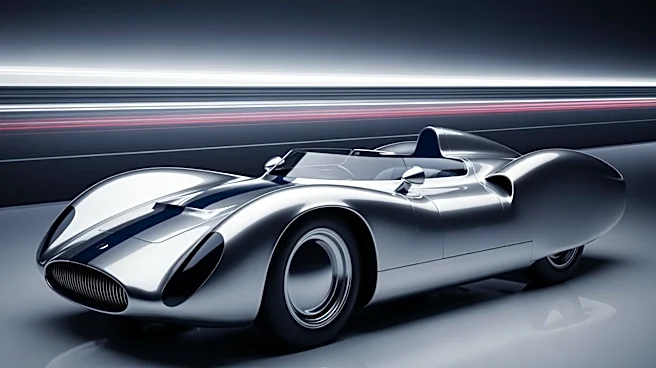
in the 1967 Indianapolis 500 was the STP-Paxton Turbocar, driven by Parnelli Jones. Designed by Ken Wallis and entered by Andy Granatelli, this car featured a gas turbine engine and four-wheel drive, setting it apart from traditional piston-powered vehicles. The Turbocar's design aimed to harness the power of a gas turbine, offering a unique approach to racing.
The Turbocar's performance was impressive, with Jones taking the lead early in the race and maintaining it for most of the event. The car's technological advancements allowed it to achieve high speeds and dominate the competition. However, the innovative design also presented challenges, such as the throttle lag reported by drivers, which required careful handling.
Mechanical Failures and Their Impact
Despite the technological advancements, the 1967 Indianapolis 500 was not without its mechanical failures. The most significant was the transmission bearing failure in the Turbocar, which occurred with only four laps remaining. This $6 part failure abruptly ended Jones's dominant run, highlighting the fragility of even the most advanced machines.
Mechanical issues were a common theme throughout the race, affecting several competitors. Mario Andretti faced mechanical troubles early on, while other drivers experienced engine failures and crashes. These challenges underscored the unpredictable nature of racing, where technology and human skill must work in harmony to achieve success.
The Role of Tires and Strategy
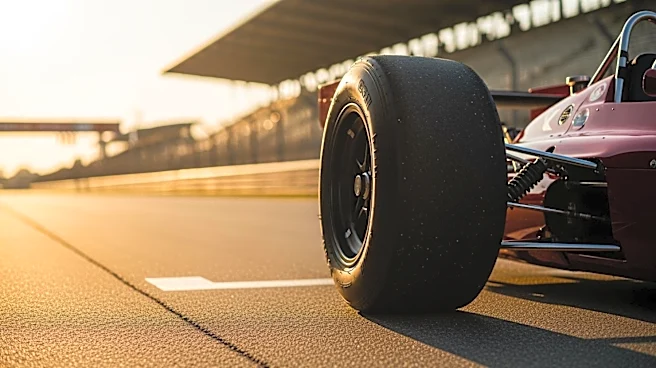
Tires played a crucial role in the 1967 Indianapolis 500, with Goodyear breaking Firestone's long-standing dominance by securing victory with A. J. Foyt. Goodyear's return to the sport in 1964 culminated in this triumph, marking a significant milestone in tire technology and strategy.
The race also highlighted the importance of strategic decisions, such as pit stops and fuel management. Parnelli Jones's pit stop incident, where he narrowly avoided disaster due to a fuel spill, demonstrated the critical nature of timing and precision. Teams had to balance speed with safety, making strategic choices that could make or break their chances of victory.
The 1967 Indianapolis 500 was a testament to the evolving nature of motorsport, where innovation and challenges go hand in hand. The race showcased the potential of new technologies while reminding teams of the importance of reliability and strategy.