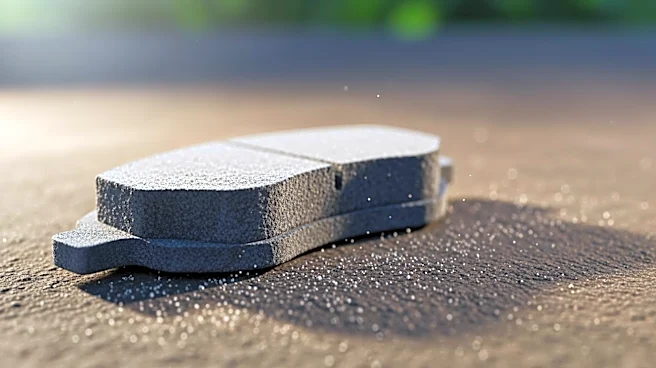

Brake pads are not only vital for vehicle safety but also have significant environmental implications. As they wear down, brake pads contribute to non-exhaust traffic emissions, releasing particulate matter
into the air. This article explores the environmental impact of brake pads and the efforts to reduce their ecological footprint.
Brake Pad Wear and Airborne Particulates
When brake pads are used, they generate friction against the rotor, leading to wear and the release of tiny particles into the environment. These particles, known as brake dust, consist of metallic flakes, carbonaceous material, and various friction additives. In urban areas, brake dust can account for up to 55% of non-exhaust PM2.5 and PM10 emissions, which are fine particulate matter that poses health risks to humans.
As tailpipe emissions decrease due to cleaner engine technologies and the rise of electric vehicles, the relative contribution of brake dust to air pollution becomes more significant. Studies have shown that brake wear particles can trigger inflammatory responses in the respiratory system, similar to the effects of diesel exhaust particulates. This highlights the need for continued efforts to address the environmental impact of brake pads.
Regulatory Measures and Material Innovations
In response to the environmental concerns associated with brake dust, several regulatory measures have been implemented. For instance, the U.S. states of Washington and California have enacted the "Better Brakes" regulations, which limit the use of harmful substances like copper, lead, and mercury in brake friction materials. These regulations aim to reduce the environmental toxicity of brake pads and protect aquatic life from high copper levels.
To comply with these regulations, manufacturers are developing new friction materials that maintain performance standards while minimizing environmental impact. Research programs, such as the EU LIFE+ Rebrake project, are exploring alternative materials and formulations to create more sustainable brake pads.
The Future of Eco-Friendly Brake Pads
As environmental awareness grows, the automotive industry continues to innovate in the development of eco-friendly brake pads. The focus is on creating materials that offer high performance with reduced environmental harm. This includes exploring new composites and binding agents that are less toxic and more sustainable.
The transition to electric vehicles also presents an opportunity to rethink brake pad design, as regenerative braking systems can reduce reliance on traditional friction brakes. By prioritizing environmental considerations in brake pad development, the industry can contribute to cleaner air and a healthier planet.