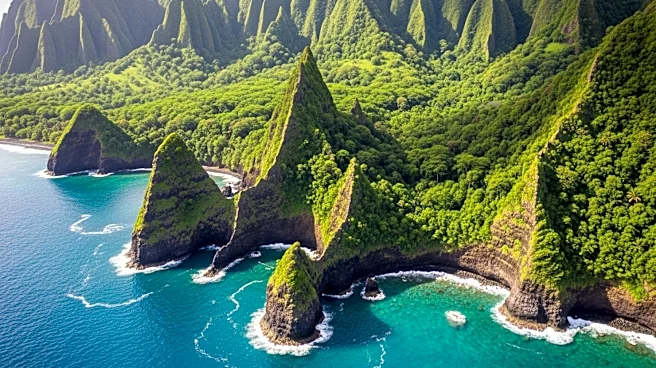









The National Park of American Samoa offers a unique geographical experience, being the southernmost national park in the United States. Located on three Samoan islands, this park is a haven for nature lovers and adventurers alike. Established in 1988, it protects a diverse range of ecosystems, including coral reefs and rainforests. This article delves into the park's geographical features, its location, and the natural wonders it preserves.
Location and Terrain
The National
Park of American Samoa is situated in the Manu'a District, approximately 130 kilometers east of Pago Pago, the capital of American Samoa. The park is primarily located on Ta‘ū Island, which is known for its rugged terrain. The park's elevation reaches up to 498 meters above sea level, providing visitors with breathtaking views of the surrounding landscape.
The area surrounding the park is characterized by its mountainous terrain, with the highest point reaching 940 meters, located just one kilometer north of the park. This elevation contributes to the park's diverse ecosystems, which include lush rainforests and vibrant coral reefs. The proximity to the ocean also means that the park is bordered by the sea to the east, adding to its scenic beauty.
Natural Features
The National Park of American Samoa is renowned for its natural features, which include both terrestrial and marine environments. The park's rainforests are home to a variety of plant and animal species, many of which are unique to the region. The tropical climate, with an average temperature of 21°C, supports this rich biodiversity.
The park also boasts extensive coral reefs, which are among the most pristine in the world. These reefs are home to a wide array of marine life, including colorful fish, sea turtles, and other aquatic creatures. The park's location in the South Pacific makes it an ideal spot for snorkeling and diving, allowing visitors to explore the underwater world.
Climate and Weather
The climate in the National Park of American Samoa is tropical, with temperatures ranging from 18°C in October to 22°C in April. The park receives an average annual rainfall of 2,716 millimeters, with December being the wettest month, receiving 508 millimeters of rain. In contrast, September is the driest month, with only 67 millimeters of rainfall.
This climate supports the park's lush vegetation and vibrant ecosystems. The combination of warm temperatures and abundant rainfall creates an environment where both terrestrial and marine life can thrive. Visitors to the park can experience this unique climate firsthand, whether hiking through the rainforests or exploring the coral reefs.
In conclusion, the National Park of American Samoa offers a unique geographical experience, with its diverse terrain, rich ecosystems, and tropical climate. Whether you're an avid hiker or a marine enthusiast, this park provides a glimpse into the natural beauty of the South Pacific.