







In 1965, Sony introduced the CV-2000, a groundbreaking device that brought video recording into the homes of consumers. As one of the first home video tape recorders, the CV-2000 was a technological marvel of its time, offering features that were previously unavailable to the general public. This article explores the technological innovations of the CV-2000 and its impact on consumers and the video recording industry.
Technological Innovations
The CV-2000 was a product of Sony's
commitment to innovation and consumer accessibility. Developed by engineer Nobutoshi Kihara, the CV-2000 was the first fully transistorized VCR, which made it significantly lighter and more affordable than other video recorders of the era. This innovation was crucial in making video recording technology accessible to a wider audience.
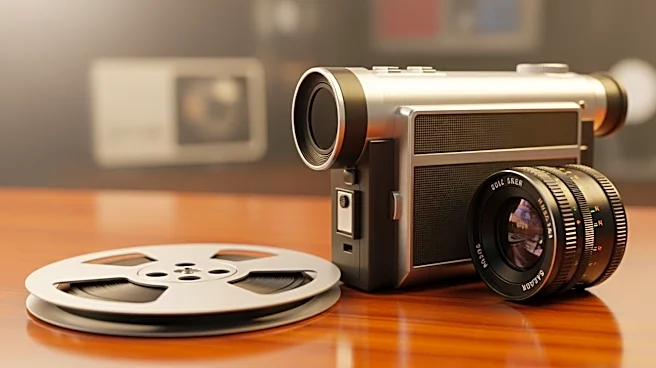
The device used ½-inch open reel magnetic tape and employed a helical scan mechanism for both reading and writing. This method was a significant advancement in video recording technology, allowing for more efficient use of tape and improved recording quality. The CV-2000 recorded in black and white with a resolution of over 220 TV lines, which was impressive for its time.
Consumer Impact
The introduction of the CV-2000 had a profound impact on consumers, as it allowed them to record television programs and create home movies for the first time. Priced at $695 for the CV-2000D model and $730 for the portable version, the CV-2000 was a significant investment but still more affordable than other options available at the time.
Despite its manual threading system, which required users to thread the tape around the video head drum, the CV-2000 was marketed as a home movie recorder. It found a niche market among businesses and educational institutions, which used it for training and instructional purposes. The CV-2000's ability to record and play back video content was a novelty that captured the imagination of consumers and paved the way for future developments in home video technology.
Legacy and Influence
The CV-2000's legacy lies in its role as a pioneer in consumer video technology. It set the stage for the development of more advanced video recording systems, such as Betamax and VHS, which would dominate the market in the following decades. However, the CV-2000 had its limitations, including the lack of tracking adjustment, which made tape interchangeability between different machines difficult.
Despite these challenges, the CV-2000's introduction marked a turning point in the history of video technology. It demonstrated the potential for home video recording and inspired future innovations in the field. The CV-2000 remains a significant milestone in the evolution of consumer electronics, representing a time when the idea of recording television at home was just beginning to take shape.