




Balboa Park in San Diego is not just a public park; it is a cultural and architectural icon that has significantly influenced the city's identity. With its rich history and diverse attractions, the park serves as a testament to the cultural aspirations and architectural innovations of its time. This article delves into the cultural and architectural impact of Balboa Park, highlighting its role in shaping San Diego's cultural landscape.
Architectural Marvels of the Panama-California Exposition
The architectural
significance of Balboa Park is largely attributed to the Panama-California Exposition of 1915-1916. Architect Bertram Goodhue's vision for the exposition was to create a cohesive architectural style that would reflect the cultural heritage of California. He chose the Spanish Colonial Revival style, which combined elements of Spanish Baroque and Mission Revival architecture.
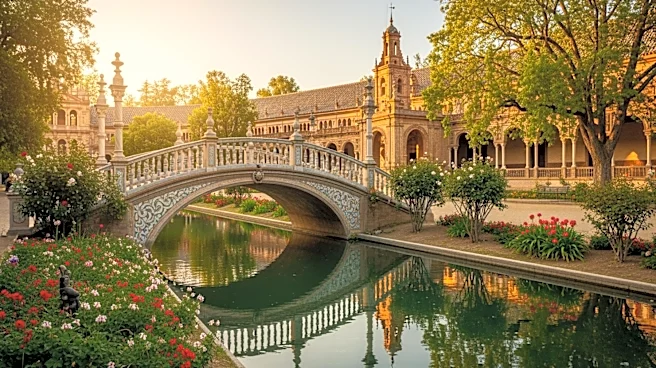
The result was a series of stunning buildings that became the hallmark of Balboa Park. The California Quadrangle, with its ornate facades and intricate detailing, is a prime example of this style. The Botanical Building, with its unique lath structure, and the iconic Cabrillo Bridge are other architectural highlights from this period. These structures not only enhanced the park's aesthetic appeal but also set a precedent for future architectural developments in the region.
Cultural Hub and Community Engagement
Beyond its architectural beauty, Balboa Park has played a crucial role as a cultural hub in San Diego. The park is home to numerous museums, theaters, and cultural institutions that offer a wide range of educational and recreational opportunities. The San Diego Museum of Art, the Museum of Us, and the San Diego Natural History Museum are just a few of the cultural treasures located within the park.
The park's cultural offerings extend beyond its museums. The Old Globe Theatre, modeled after Shakespeare's Globe Theatre, hosts a variety of theatrical performances, while the Spreckels Organ Pavilion features one of the world's largest outdoor pipe organs. These venues provide a platform for artistic expression and community engagement, making Balboa Park a vibrant center for cultural activities.
Influence on Regional Architecture and Design
The architectural style introduced during the Panama-California Exposition had a lasting impact on the region's architectural landscape. The Spanish Colonial Revival style became a popular choice for buildings throughout Southern California, influencing the design of homes, public buildings, and commercial structures.
Balboa Park's architectural legacy can be seen in the design of other cultural landmarks in San Diego and beyond. The park's emphasis on integrating natural landscapes with architectural elements has inspired similar approaches in urban planning and design. The park's success in blending cultural, recreational, and architectural elements has made it a model for other cities seeking to create dynamic public spaces.
Preservation and Future Prospects
Preserving the cultural and architectural heritage of Balboa Park has been a priority for the city and local organizations. Efforts to restore and maintain the park's historic buildings have ensured that future generations can continue to enjoy its beauty and cultural offerings.
Looking ahead, Balboa Park is poised to remain a central part of San Diego's cultural identity. Plans for future developments and enhancements aim to build on the park's legacy while adapting to the needs of a growing city. As a symbol of San Diego's cultural and architectural achievements, Balboa Park will continue to inspire and engage residents and visitors alike.
In conclusion, Balboa Park's cultural and architectural impact is profound and enduring. Its blend of historical significance, architectural innovation, and cultural vibrancy makes it a cherished landmark in San Diego and a testament to the city's rich cultural heritage.