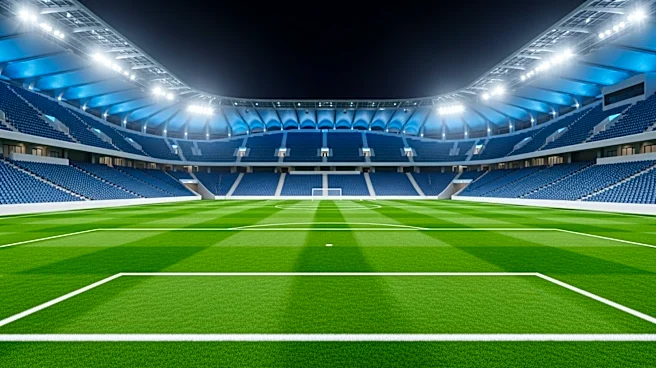

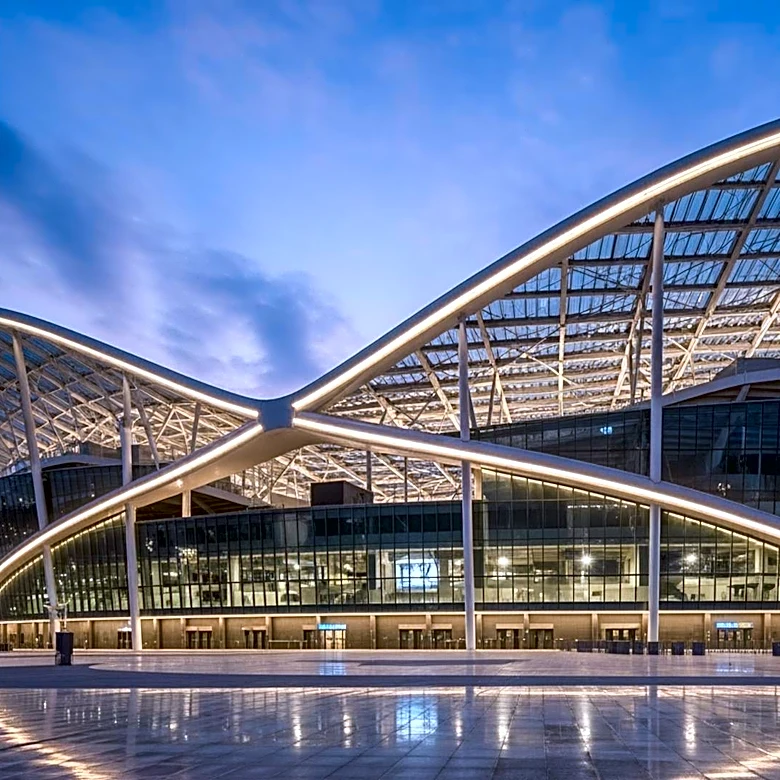




RheinEnergieStadion, located in Cologne, Germany, has played a pivotal role in hosting international football tournaments. Known for its modern facilities and strategic location, the stadium has been a preferred venue for major events, including the FIFA World Cup and UEFA tournaments. This article delves into the stadium's contributions to international football and its significance in the sporting world.
Hosting the FIFA World Cup
RheinEnergieStadion was one of the venues
for the 2006 FIFA World Cup, a prestigious event that brought together teams from around the globe. During the tournament, the stadium was temporarily renamed FIFA World Cup Stadium Cologne due to sponsorship agreements. It hosted several matches, including those in Group H, showcasing its capacity to accommodate large crowds and international teams.
The stadium's involvement in the World Cup was not its first foray into hosting major football events. It was also one of five stadiums to host the 2005 FIFA Confederations Cup, further establishing its reputation as a reliable venue for international competitions. These events highlighted the stadium's modern facilities and ability to handle the logistical demands of global tournaments.
UEFA Tournaments and Beyond
Beyond the FIFA World Cup, RheinEnergieStadion has been a key venue for UEFA tournaments. It hosted the 2020 UEFA Europa League final, albeit behind closed doors due to the COVID-19 pandemic. This event demonstrated the stadium's adaptability and continued relevance in the international football scene.
Looking ahead, RheinEnergieStadion is set to be one of the venues for UEFA Euro 2024. This upcoming tournament will once again place the stadium in the spotlight, attracting fans and teams from across Europe. The stadium's selection for Euro 2024 underscores its importance as a hub for international football and its ability to provide a world-class experience for players and spectators alike.
The Impact on Cologne
The stadium's role in hosting international tournaments has had a significant impact on Cologne. It has brought economic benefits to the city, attracting visitors and boosting local businesses. The influx of fans during major events has also contributed to the city's cultural vibrancy, fostering a sense of community and shared excitement.
RheinEnergieStadion's continued involvement in international football highlights its status as a premier venue in Germany. Its modern facilities, strategic location, and history of hosting successful events make it a cornerstone of the sporting world, drawing attention from fans and teams worldwide.