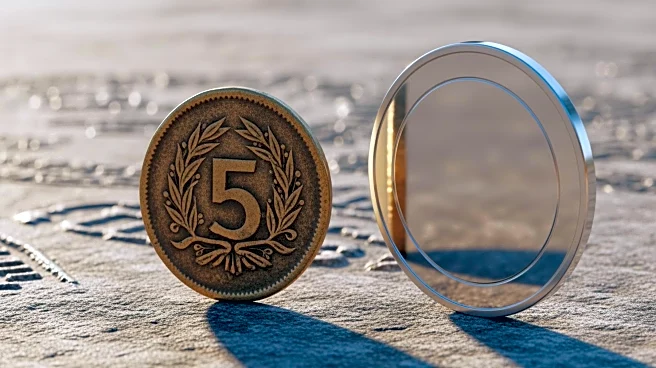

Coinage, the process of manufacturing coins, has a rich history that dates back to the 7th century BC in Lydia. This ancient practice has evolved significantly over the centuries, influencing economies
and cultures worldwide. The journey from the first stamped metal pieces to the sophisticated coinage systems of today is a fascinating tale of innovation and adaptation.
The Birth of Coinage in Lydia
The first coins were created in Lydia, an ancient kingdom located in what is now Turkey, around the 7th century BC. These early coins were made from electrum, a naturally occurring alloy of gold and silver. The Lydians used a stamping process to imprint images onto the metal, marking the beginning of coinage as a standardized form of currency. This innovation allowed for easier trade and commerce, as coins provided a consistent measure of value that was widely recognized.
Lydia's introduction of coinage quickly spread to neighboring regions, including Greece and Asia Minor. The Greeks, in particular, embraced coinage, refining the process and expanding its use. Greek coins often featured images of gods, goddesses, and other significant cultural symbols, reflecting the society's values and beliefs. This period marked the beginning of coinage as not just a medium of exchange but also a tool for cultural expression.
Roman and Medieval Coinage Developments
As coinage spread throughout the Mediterranean, the Roman Republic adopted the practice around 300 BC. Roman coins were initially influenced by Greek designs but soon developed their own distinct style. The Romans introduced various denominations and metals, including bronze, silver, and gold, to accommodate different economic needs. Roman coinage played a crucial role in the empire's economy, facilitating trade across vast distances.
During the medieval period, coinage continued to evolve. The introduction of the silver penny by Charlemagne in the 8th century standardized currency across much of Europe. This era also saw the rise of coinage as a tool for political propaganda, with rulers using coins to assert their authority and legitimacy. The designs on coins became more intricate, often featuring portraits of monarchs and religious symbols.
Modern Coinage and Technological Advances
In the modern era, coinage has undergone significant technological advancements. The introduction of milled coinage in the 16th century improved the precision and consistency of coins, reducing the prevalence of counterfeiting. Today, coins are produced using advanced machinery capable of striking hundreds of coins per minute.
Modern coins are typically made from base metals like nickel and copper, with their value established by law rather than intrinsic metal content. This shift reflects the transition from commodity money to fiat money, where the value is derived from government decree. Despite these changes, the fundamental purpose of coinage remains the same: to facilitate trade and commerce by providing a reliable and standardized medium of exchange.