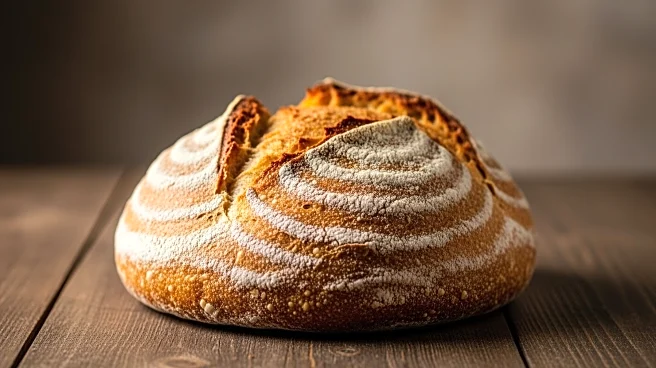




Bread is more than just a food item; it holds deep cultural and symbolic meanings across different societies. From religious rituals to everyday expressions, bread has woven itself into the fabric of human culture. This article explores the cultural and symbolic significance of bread around the world.
Bread in Religious and Cultural Rituals
Throughout history, bread has played a crucial role in religious and cultural rituals. In Christianity, bread is a central element of the Eucharist,
symbolizing the body of Christ. Similarly, in many cultures, bread is offered as a gesture of hospitality and goodwill. In parts of Europe, bread and salt are presented to guests as a traditional welcome.
In ancient Egypt, bread was not only a staple food but also an offering to the gods. The Greeks and Romans also used bread in their religious ceremonies, considering it a gift from the divine. These practices highlight the spiritual significance of bread, transcending its role as mere sustenance.
Bread as a Metaphor and Symbol
Bread has also become a powerful metaphor in language and literature. Phrases like "breadwinner" and "putting bread on the table" emphasize its association with livelihood and survival. In Russia, the Bolsheviks' promise of "peace, land, and bread" during the 1917 revolution underscored bread's symbolic representation of basic needs and social justice.
In English-speaking countries, words like "dough" and "bread" are colloquially used to refer to money, further illustrating bread's symbolic connection to wealth and prosperity. The expression "breaking bread" signifies sharing a meal and fostering community, reflecting bread's role in bringing people together.
Bread in Modern Culture
In contemporary culture, bread continues to hold symbolic value. The phrase "the best thing since sliced bread" highlights its status as a benchmark for innovation and convenience. Despite the rise of low-carb diets and changing food trends, bread remains a beloved staple, celebrated in various forms and flavors.
Bread's enduring presence in cultural expressions and rituals underscores its significance beyond nutrition. It serves as a reminder of shared human experiences and the universal quest for sustenance and community. As societies evolve, bread continues to adapt, yet its cultural and symbolic importance remains steadfast, connecting us to our past and each other.