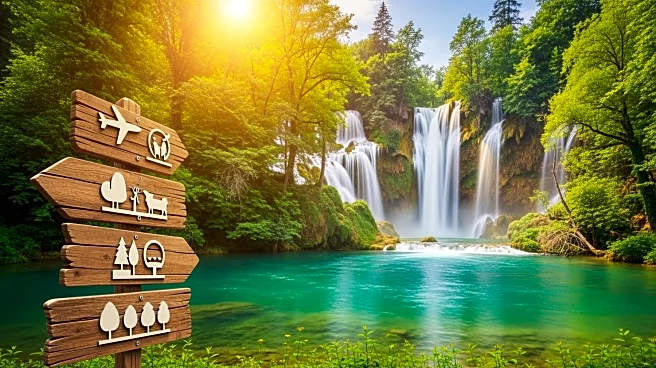




Tourism in Zambia is not just about showcasing the country's natural beauty; it plays a crucial role in the nation's economic development. With a focus on wildlife conservation and adventure tourism, particularly in areas like Livingstone near Victoria Falls, tourism has become a significant economic driver. The Zambian government actively promotes tourism as a means to boost the economy, create jobs, and improve living standards.
Government Initiatives and Economic Impact
The Zambian government
views tourism as a vital tool for economic and rural development. Historically reliant on foreign aid, Zambia has turned to tourism as an alternative to mining for economic growth. The government supports this sector through infrastructure development, encouraging private sector participation, and offering attractive tax incentives for investments. These efforts aim to generate income, create employment opportunities, and enhance the quality of life for Zambians.
Tourism's economic impact is evident in the job creation and income generation it fosters. By promoting wildlife conservation and adventure tourism, Zambia attracts international visitors, which in turn supports local businesses and communities. The government's commitment to tourism is further demonstrated by its participation in international agreements and partnerships with countries like Uganda and Kenya to enhance marketing efforts.
Adventure Tourism and Wildlife Conservation
Adventure tourism has gained popularity in Zambia, with Livingstone emerging as Africa's "adventure tourism capital." Activities such as bungee jumping, white-water rafting, and safaris draw thrill-seekers from around the world. This influx of tourists not only boosts the local economy but also supports wildlife conservation efforts.
Wildlife is central to Zambia's tourism industry, and the government recognizes the importance of preserving these natural resources. Initiatives like the U.N. Development Programme's Lion's Share, which granted $400,000 towards wildlife-based tourism, highlight the symbiotic relationship between tourism and conservation. By protecting wildlife, Zambia ensures the sustainability of its tourism industry, which in turn supports the economy.
Challenges and Future Prospects
Despite its potential, Zambia's tourism industry faces challenges, including competition from more established tourist destinations and transportation difficulties. The absence of direct international flights and the need for more attractive tourist experiences are hurdles that the government and private sector must address.
Looking ahead, Zambia's tourism industry holds promise for further growth. By continuing to invest in infrastructure, marketing, and conservation efforts, the country can enhance its appeal to international tourists. As tourism continues to develop, it will play an increasingly important role in Zambia's economic landscape, offering opportunities for sustainable development and improved living standards for its people.