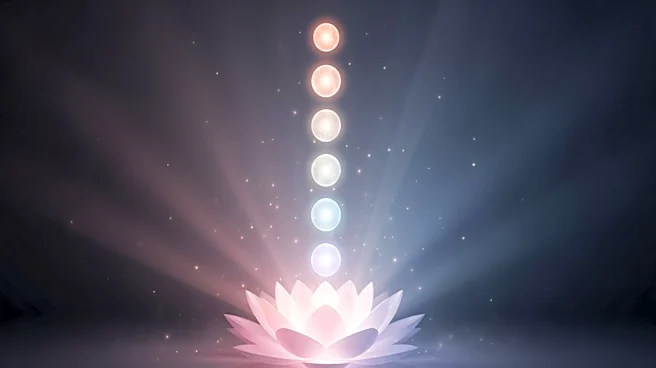




Chakras serve as meditation aids in Hindu and Buddhist traditions, guiding practitioners on a journey of spiritual ascent. Visualized as energy centers within the subtle body, chakras are integral to various tantric yoga and meditation practices. This article explores how chakras function as meditation aids, facilitating spiritual growth and enlightenment.
The Role of Chakras in Meditation
In both Hindu and Buddhist practices, chakras are considered vital tools for meditation. They
are arranged along the spinal column, from the base to the crown of the head, connected by vertical channels. Practitioners aim to awaken and energize these chakras through breathing exercises, mantras, and visualizations.
The journey begins with the lower chakras, progressing towards the highest chakra at the crown. This ascent symbolizes spiritual growth, with each chakra representing different aspects of human consciousness and physiological capacity. The ultimate goal is to internalize this journey, achieving a state of spiritual enlightenment.
Kundalini and Candali Traditions
In Hindu kundalini and Buddhist candali traditions, chakras are pierced by a dormant energy residing in the lowest chakra. Known as Kundalini in Hindu texts and Candali or Tummo in Buddhist texts, this energy is awakened through meditation practices, leading to spiritual transformation.
The awakening of Kundalini or Candali is a profound experience, often described as a serpent rising through the chakras. This process is believed to unlock higher states of consciousness, allowing practitioners to transcend ordinary perceptions and connect with divine energies.
Symbolism and Visualization Techniques
Chakras are often visualized in various symbolic forms, such as lotus flowers or discs containing deities. These visualizations serve as powerful meditation aids, helping practitioners focus their minds and channel energy through the chakras.
The use of symbols, mantras, and diagrams in meditation practices enhances the connection between the physical and subtle bodies. As practitioners progress, they move from perceptible models to abstract ones, abandoning external symbols in favor of internal self-awareness and inner mandalas.
Through these practices, chakras become more than just energy centers; they are gateways to spiritual enlightenment, offering a path to self-discovery and divine connection.