






Teamwork is a versatile concept that plays a crucial role in various settings, from sports to healthcare and education. Each context presents unique challenges and opportunities for teamwork, highlighting its importance in achieving common goals. This article delves into how teamwork functions in these diverse environments.
Teamwork in Sports
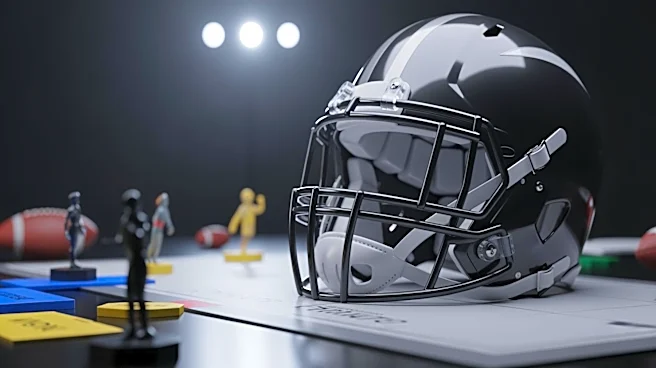
In the realm of sports, teamwork is often the key to success. Sports teams, whether in basketball, soccer, or baseball, rely heavily
on the collaborative efforts of their members. The level of teamwork and interdependence can vary significantly depending on the sport. For instance, basketball and soccer require high levels of communication and interaction among players, while sports like golf and track and field involve lower levels of interdependence.
Effective teamwork in sports involves clearly defined roles, strategic planning, and the ability to leverage resources such as playing fields and coaching guidance. Team development interventions, such as team building and leadership training, are commonly used to enhance communication and coordination among team members, ultimately leading to better performance.
Teamwork in Healthcare
In healthcare, teamwork is essential for delivering high-quality patient care. Operating room teams, for example, consist of interdependent individuals who must work together seamlessly to ensure successful surgical outcomes. The healthcare system relies on formal work teams, where each member has a specific role and responsibility.
The complexity of healthcare tasks necessitates effective communication and coordination among team members. Team development interventions, such as team debriefing and conflict management training, are employed to improve teamwork in healthcare settings. These efforts aim to create a cohesive team environment where members can collaborate effectively to achieve common goals.
Teamwork in Education
In educational settings, teamwork is often seen in group projects and collaborative learning activities. Students working together on a project must communicate, coordinate, and cooperate to achieve their objectives. The level of teamwork can vary depending on the nature of the project and the students' interdependence.
Educators use team development interventions to enhance teamwork among students. These interventions focus on improving communication skills, fostering a sense of community, and promoting conflict resolution. By developing these skills, students can work more effectively in teams, preparing them for future collaborative endeavors in their careers.
In conclusion, teamwork is a vital component in various contexts, each with its own set of challenges and opportunities. Whether in sports, healthcare, or education, effective teamwork enhances communication, coordination, and cooperation, ultimately leading to the achievement of common goals.