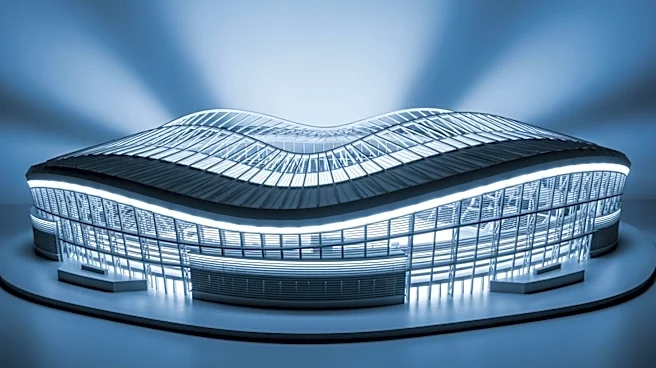






The Peter Mokaba Stadium in Polokwane, South Africa, stands as a testament to modern architectural design and engineering. Built for the 2010 FIFA World Cup, this stadium was one of five new stadiums constructed for the event. With a seating capacity of 45,500, it was designed to accommodate a large number of spectators, although this was reduced to 41,733 for the World Cup. The stadium is named after Peter Mokaba, a former leader of the ANC Youth
League, and is located just east of the older stadium bearing the same name.
Architectural Features
The design of the Peter Mokaba Stadium was a significant departure from the initial plans to upgrade the existing Old Peter Mokaba Stadium. Instead, a new stadium was constructed at a cost of R1.245 billion. The architectural firm AFL Architects was responsible for the design, which included a unique feature of reinforcing natural grass with artificial fibers. This innovation, known as Desso GrassMaster, provided a stable and level playing surface, crucial for both football and rugby matches.
The stadium's design initially included plans for full roof coverage over all spectator stands. However, due to budget constraints and construction considerations, only the western stand received full roof coverage. The rest of the stadium was left with minimal overhead protection, deviating from the original full canopy design. This decision was a practical compromise to ensure the stadium was completed in time for the World Cup.
Construction Timeline
Construction of the Peter Mokaba Stadium began in 2006 and was completed in 2009, with the stadium officially opening on January 23, 2010. The construction process was a massive undertaking, requiring significant resources and coordination. The decision to build a new stadium rather than upgrade the existing one was driven by the need to meet the specific requirements of the World Cup, including seating capacity and modern facilities.
The construction cost of R1.245 billion was a substantial investment, reflecting the importance of the stadium in the context of the World Cup. The project was completed on schedule, allowing the stadium to host its first event, the Peter Mokaba Cup, in January 2010, followed by its first international match in May 2010.
Post-World Cup Usage
Since the World Cup, the Peter Mokaba Stadium has continued to serve as a venue for both football and rugby matches. It hosted its first competitive football match in November 2010 and has been used by local teams such as Sekhukhune United. The stadium's design and construction have ensured its continued relevance and functionality, making it a valuable asset to the city of Polokwane.
The stadium's construction and design reflect a blend of modern engineering and practical considerations, ensuring it remains a key venue for sports and events in South Africa.