



The Volkswagen Type 2, commonly known as the Volkswagen Transporter, has been a staple in the automotive world for over 70 years. Its journey from a simple concept to a globally recognized vehicle is a testament to its enduring appeal and versatility. This article delves into the historical development of the Volkswagen Type 2, tracing its evolution through various generations and highlighting key milestones along the way.
The Birth of the Volkswagen Type 2
The Volkswagen Type 2 was
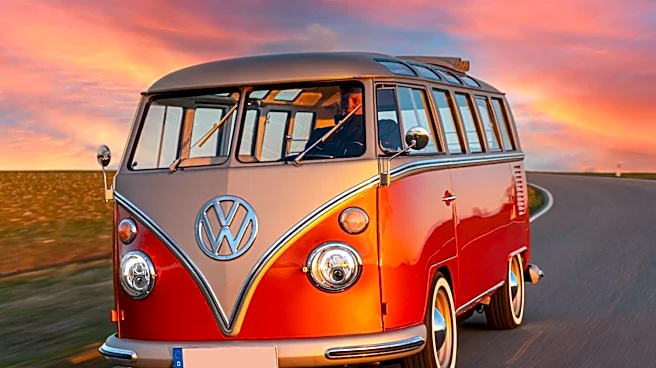
introduced in 1950, following the success of the Volkswagen Type 1, or Beetle. The idea for a versatile, light commercial vehicle came from Ben Pon, a Dutch Volkswagen importer, who envisioned a vehicle that could serve multiple purposes. The Type 2 was initially designed as a panel van, but its adaptability soon led to the creation of various models, including the Kombi and Microbus.
The first generation, known as the T1, featured a split windshield and was powered by an air-cooled engine mounted at the rear. This design was inspired by the Beetle and provided the Type 2 with a unique look and functionality. The T1 quickly gained popularity, especially among families and businesses, due to its spacious interior and reliable performance.
Expansion and Innovation
In 1967, Volkswagen introduced the second generation, the T2, which brought significant improvements to the Type 2. The T2 featured a single-piece windshield and a more robust engine, enhancing its performance and safety. This generation also saw the introduction of the campervan variant, which became a favorite among outdoor enthusiasts and travelers.
The T3, launched in 1979, marked a departure from the previous designs with its boxier shape and increased interior space. It was one of the last models to feature an air-cooled engine before transitioning to water-cooled engines in 1983. The T3 also introduced the Syncro model, offering four-wheel drive capabilities for the first time.
Modern Adaptations
The T4, released in 1990, represented a significant shift in design philosophy, adopting a front-engine, front-wheel-drive layout. This change improved handling and comfort, aligning the Type 2 with contemporary automotive trends. The T4 was marketed as the Eurovan in North America, emphasizing its versatility as both a commercial and passenger vehicle.
Subsequent generations, including the T5, T6, and the latest T7, have continued to build on the Type 2's legacy, incorporating advanced technology and design elements. Each iteration has maintained the core values of practicality and adaptability, ensuring the Volkswagen Type 2 remains a beloved choice for drivers worldwide.