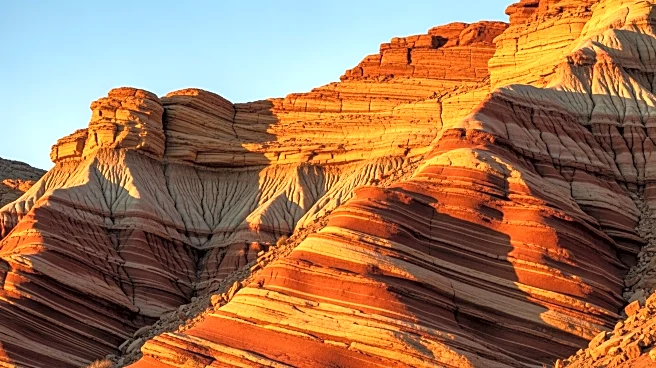

Badlands National Park in South Dakota is a stunning example of nature's artistry, showcasing a landscape sculpted by millions of years of geological processes. This national park is renowned for its sharply
eroded buttes, pinnacles, and the largest undisturbed mixed-grass prairie in the United States. Visitors are drawn to its dramatic scenery, which offers a glimpse into the Earth's ancient past.
The Formation of the Badlands
The unique landscape of Badlands National Park is the result of millions of years of deposition and erosion. The park's geological formations began to take shape around 69 million years ago during the late Cretaceous period. Over time, layers of sedimentary rock were deposited by ancient seas, rivers, and wind. These layers include shale, sandstone, siltstone, and limestone, each contributing to the park's varied color palette.
Erosion has played a significant role in shaping the Badlands. The region's soft sedimentary rocks are easily worn away by wind and water, creating the park's iconic buttes and pinnacles. The process of erosion continues today, with the landscape changing subtly each year. This ongoing transformation makes the Badlands a dynamic and ever-evolving natural wonder.
The Badlands Wilderness
Within Badlands National Park lies the Badlands Wilderness, a designated area that protects 64,144 acres of the park's North Unit. This wilderness area is a haven for wildlife and a site of significant ecological importance. It is home to the black-footed ferret, one of the most endangered mammals in the world, which was reintroduced to the wild here.
The Badlands Wilderness offers visitors a chance to experience the park's rugged beauty in its most pristine form. With no designated trails, the wilderness invites exploration and adventure. Hikers can traverse the landscape, discovering hidden valleys and observing the diverse plant and animal life that thrives in this harsh environment.
The Role of Climate
The climate of Badlands National Park plays a crucial role in its geological and ecological characteristics. The park experiences a hot-summer humid continental climate, with extreme temperatures and limited precipitation. These conditions contribute to the ongoing erosion of the park's sedimentary rocks.
The park's climate also influences its vegetation. The mixed-grass prairie, which covers much of the park, is adapted to the region's arid conditions. Grasses of varying heights dominate the landscape, providing habitat for a wide range of wildlife. The interplay between climate, geology, and ecology makes Badlands National Park a fascinating subject for study and exploration.
Badlands National Park is a testament to the power of natural forces and the beauty they can create. Its geological formations, wilderness areas, and unique climate combine to offer visitors an unforgettable experience in one of America's most remarkable landscapes.