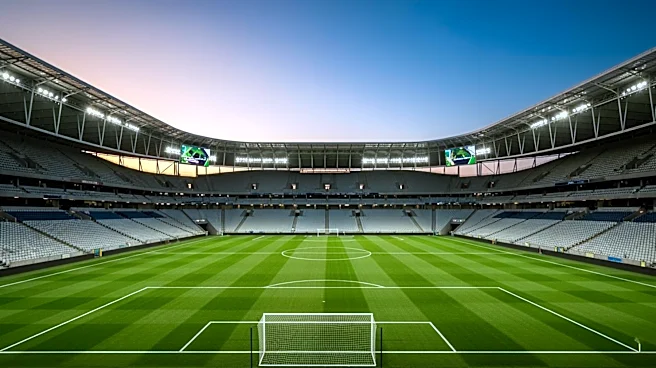

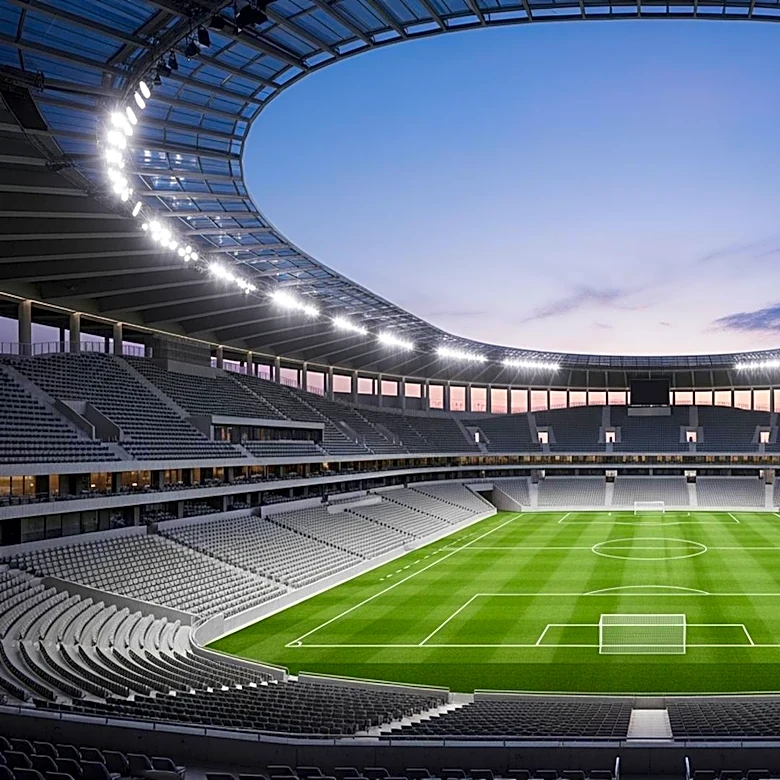



Estádio Nacional Mané Garrincha, located in Brasília, Brazil, is a football stadium with a rich history and significant transformations. Named after the legendary Brazilian footballer Mané Garrincha, the stadium has undergone major changes, particularly in preparation for the 2014 FIFA World Cup. This article delves into the historical development and transformation of this iconic stadium.
Origins and Early Years
The stadium was originally built to serve as a venue for football
matches in Brasília, the capital of Brazil. Over the years, it became a central hub for sports and other events in the city. Its location in the capital made it a significant site for national and international events, drawing attention from sports enthusiasts and tourists alike.
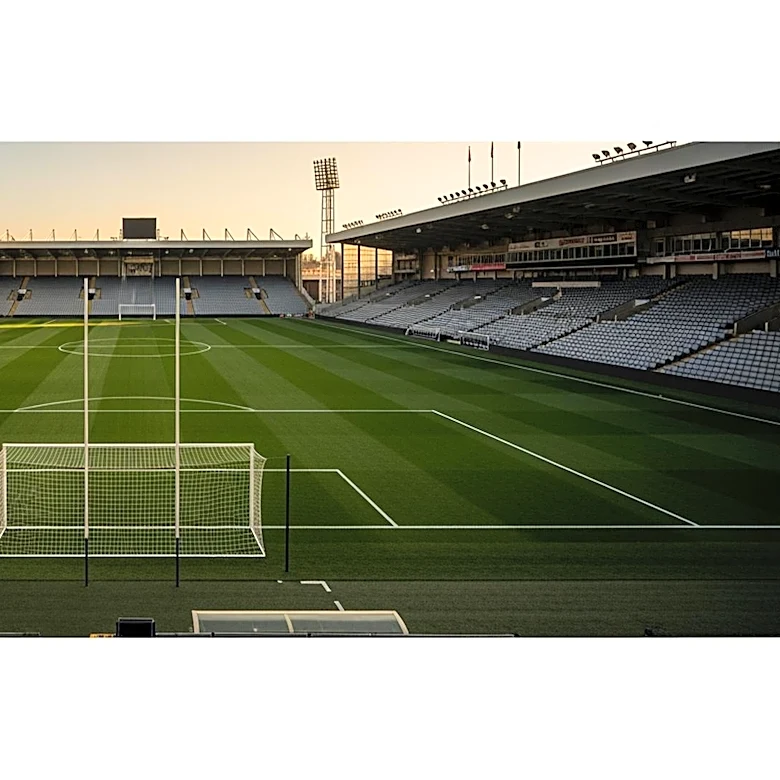
In its early years, the stadium was a modest structure, primarily serving local football matches. However, as Brasília grew in prominence, so did the need for a more modern and larger facility. This led to discussions and plans for its renovation and expansion, setting the stage for its future transformation.
Major Renovation for the 2014 FIFA World Cup
The most significant transformation of Estádio Nacional Mané Garrincha occurred in preparation for the 2014 FIFA World Cup. The stadium was completely rebuilt, with a focus on modernizing its facilities and increasing its capacity. This renovation was part of Brazil's broader efforts to host the World Cup, showcasing the country's ability to host large-scale international events.
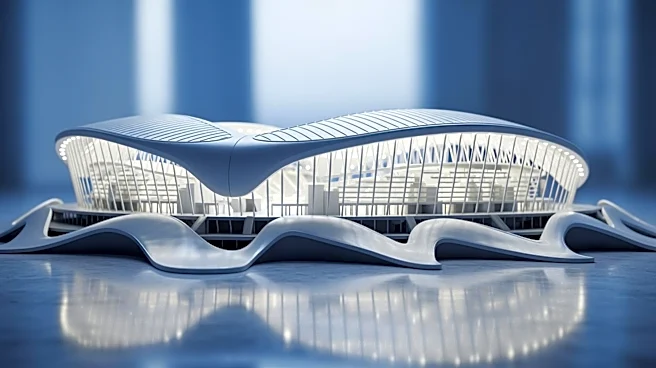
The reconstruction involved significant investment and planning, resulting in a state-of-the-art facility that could accommodate a larger audience. The new design incorporated modern architectural elements, making it not only a functional sports venue but also an architectural landmark in Brasília.
Current Status and Legacy
Today, Estádio Nacional Mané Garrincha stands as a testament to Brazil's commitment to sports and its cultural significance. Although it is not the official national stadium of Brazil, it remains an important venue for various events, including football matches, concerts, and cultural gatherings.
The stadium's legacy extends beyond sports, as it has become a symbol of Brasília's growth and development. Its transformation reflects the city's evolution and its role on the international stage. As a result, Estádio Nacional Mané Garrincha continues to be a focal point for both locals and visitors, contributing to the cultural and social fabric of the region.