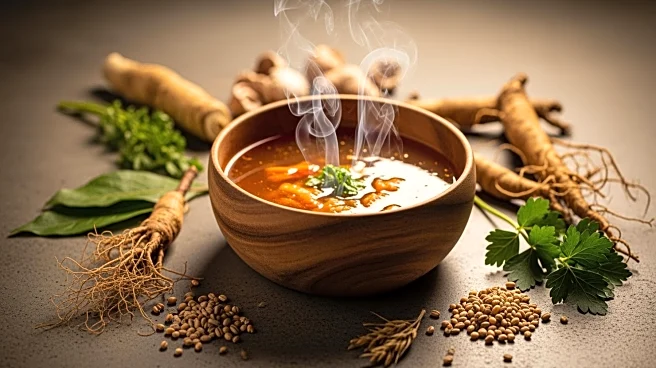




Soup is a staple in many cultures, known for its comforting warmth and versatility. Its history is as rich as its flavors, tracing back to prehistoric times. This article explores the evolution of soup, from its humble beginnings to its place in modern cuisine.
The Origins of Soup
Soup has been a part of human diets since prehistoric times. Before the invention of boiling in water, cooking was limited to simple heating and roasting. Some archaeologists believe that early
humans used hides and watertight baskets to boil liquids, possibly creating the first soups by boiling animal bones and drinking the broth. Evidence of bone broths has been found in archaeological sites from Egypt to China.
As civilizations developed, so did the methods of making soup. The first soups were made from grains and herbs, with legumes, vegetables, meat, or fish added later. The term "sop" originally referred to pieces of bread covered with savory liquid, which eventually evolved into the term "soup" as we know it today.
Soup in Ancient and Medieval Times
In ancient Rome, soups were a common part of the diet, with a variety of recipes documented in Roman cookbooks. After the fall of the Roman Empire, soups continued to be a staple in European and Arab cuisines. The earliest known German cookery book from around 1345 includes recipes for many soups, showcasing the diversity of ingredients used.
During the seventeenth century, the focus shifted from the "sops" to the soup itself, becoming the most important element of the dish. By the eighteenth century, soup was typically part of the first course in grand European meals, served alongside other dishes in a style that persisted since the Middle Ages.
Soup in Modern Times
In modern times, soup has become a versatile dish enjoyed worldwide. It is often served as the first course in Western menus, but in many places, substantial soups have historically been an entire meal for poorer people. Soup kitchens have provided sustenance for the hungry during times of hardship, with notable examples like Alexis Soyer's soup kitchen during the Irish famine.
Today, soups are enjoyed in various forms, from clear broths to thick stews, and are a testament to the dish's adaptability and enduring appeal. Whether served at a banquet or in a peasant home, soup remains a beloved part of global cuisine.