
Divorce laws and cultural attitudes towards marriage dissolution vary widely across the globe. This article examines the differences in divorce laws and cultural attitudes across various countries, highlighting
how legal frameworks and societal norms influence the process and perception of divorce.
Legal Variations in Divorce Laws
Divorce laws differ significantly from country to country, reflecting diverse legal systems and cultural norms. In most countries, divorce is a legal process that requires the sanction of a court or other authority. However, the grounds for divorce and the procedures involved can vary widely. For example, some countries, such as Sweden and Finland, offer purely no-fault divorce, allowing parties to separate without proving fault. In contrast, other countries, like the United States, offer both no-fault and fault-based divorce options, where one party must prove wrongdoing by the other.In some jurisdictions, the division of property and child custody arrangements are determined by the law of the jurisdiction in which the property is located or where the children reside. This can lead to complex legal proceedings, especially in cases involving international elements. Additionally, residency requirements and waiting periods before a divorce can be granted vary across different countries, adding another layer of complexity to the process.
Cultural Attitudes Towards Divorce
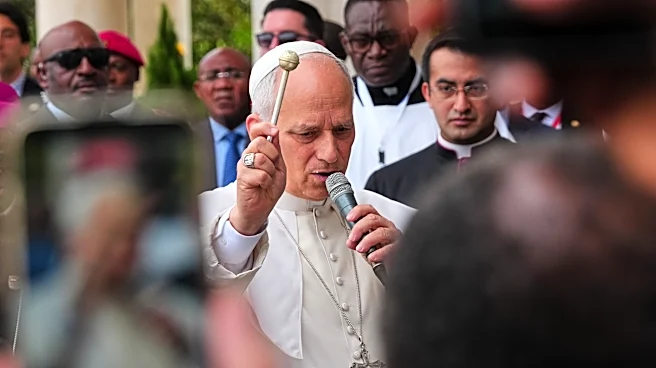
Cultural attitudes towards divorce also play a significant role in shaping the legal framework and societal perception of marriage dissolution. In some cultures, divorce is still stigmatized and seen as a failure, while in others, it is viewed as a normal part of life. For instance, in many Western countries, divorce is widely accepted, and the legal process is designed to facilitate amicable settlements. In contrast, in some Asian and Middle Eastern countries, divorce is less common and may be subject to stricter legal and cultural restrictions.Religious beliefs also influence cultural attitudes towards divorce. In countries with strong religious traditions, such as the Philippines and Vatican City, divorce is not legally recognized, and annulment is the only option for dissolving a marriage. In contrast, more secular countries have embraced liberal divorce laws, allowing for greater flexibility and autonomy for individuals seeking to end their marriages.
The Impact of Globalization on Divorce Laws
Globalization has led to increased interaction between different cultures and legal systems, influencing the evolution of divorce laws worldwide. As societies become more interconnected, there is a growing recognition of the need for legal frameworks that accommodate diverse cultural and religious backgrounds. This has led to changes in divorce laws in many countries, reflecting a more inclusive and flexible approach to marriage dissolution.The global perspective on divorce highlights the complex interplay between legal frameworks, cultural attitudes, and societal norms. Understanding these variations is crucial for individuals navigating the divorce process, as it can help them make informed decisions and better understand the implications of their choices.