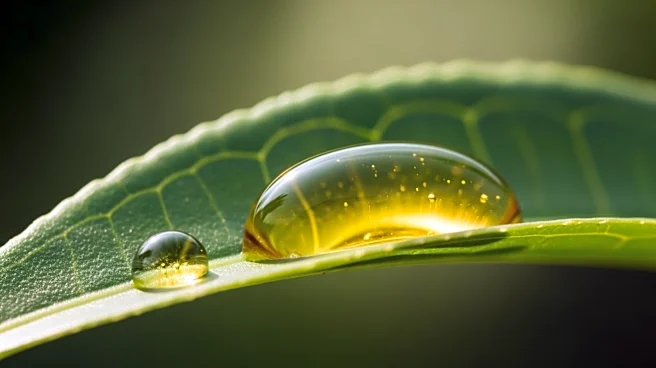







Tea tree oil, also known as melaleuca oil, is renowned for its distinctive aroma and potential health benefits. Derived from the leaves of the Melaleuca alternifolia, this essential oil is characterized by a complex chemical composition that contributes to its unique properties. Understanding the chemical makeup of tea tree oil provides insight into its uses and potential effects.
Key Chemical Components
The chemical composition of tea tree oil is defined by the International
Standard ISO 4730, which specifies the presence of several key components. The primary constituents include terpinen-4-ol, γ-terpinene, and α-terpinene, which together make up about 70% to 90% of the oil. These compounds are largely responsible for the oil's antimicrobial properties.
In addition to these major components, tea tree oil contains other chemicals such as p-cymene, terpinolene, α-terpineol, and α-pinene. These compounds collectively account for approximately 15% of the oil. The presence of these diverse chemicals contributes to the oil's characteristic aroma, described as citrus, spicy, terpenic, nutmeg, and pine.
Changes in Composition and Effects
The composition of tea tree oil can change over time, particularly when exposed to air and light. Oxidation can lead to the formation of new compounds, which may increase the potential for adverse reactions. As a result, it is recommended to use fresh tea tree oil and store it properly to maintain its effectiveness and reduce the risk of skin irritation or allergic reactions.
The major component, terpinen-4-ol, is believed to be the primary contributor to the oil's antimicrobial activity. However, the presence of eucalyptol in the oil can lead to adverse reactions, which diminish with lower eucalyptol content. This highlights the importance of understanding the specific chemical composition when using tea tree oil for therapeutic purposes.
Implications for Use
The complex chemical profile of tea tree oil underscores its potential as a natural remedy, but also its limitations. While it is used in various products for its purported benefits, such as treating skin infections and acne, scientific evidence supporting these claims is limited. Moreover, the oil's toxicity when ingested and potential for causing skin irritation necessitate caution in its use.
Overall, the chemical composition of tea tree oil is a key factor in its properties and applications. By understanding its makeup, users can better appreciate its benefits and limitations, ensuring safe and effective use in various contexts.