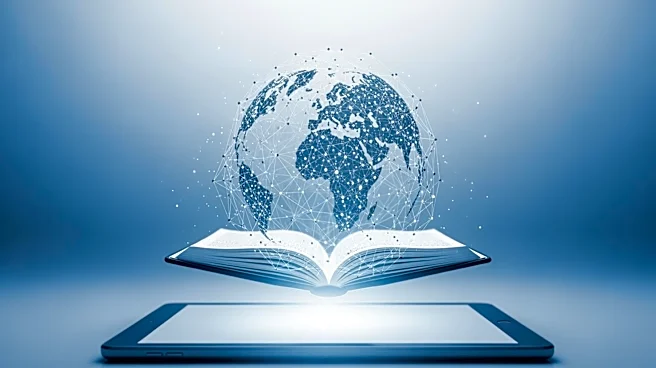




Massive Open Online Courses (MOOCs) have significantly transformed the educational landscape by providing unprecedented access to learning opportunities across the globe. This article delves into the impact of MOOCs on global education access, highlighting their role in democratizing education and reaching underserved populations.
Expanding Educational Opportunities
MOOCs have played a pivotal role in expanding educational opportunities by breaking down traditional barriers to learning.
With no entry restrictions, these courses are open to anyone with an internet connection, allowing individuals from diverse backgrounds to access high-quality educational content. This open-access model has been particularly beneficial for learners in developing countries, where access to quality education is often limited.
The global reach of MOOCs is evident in the diverse demographics of their participants. For instance, a course offered by the Hong Kong University of Science and Technology through Coursera attracted 17,000 students from various countries, including many from middle-income regions in Asia, South Africa, Brazil, and Mexico. This widespread participation underscores the potential of MOOCs to bridge educational gaps and provide learning opportunities to those who might otherwise be excluded.
Addressing Educational Inequities
One of the most significant contributions of MOOCs is their ability to address educational inequities by offering free or low-cost courses to learners worldwide. This model challenges the traditional notion of education as a privilege reserved for those who can afford it. By providing access to courses from prestigious institutions, MOOCs empower individuals to pursue knowledge and skills that can enhance their personal and professional development.
However, the impact of MOOCs on educational equity is not without challenges. Access to reliable internet and digital literacy skills are prerequisites for participating in MOOCs, which can be barriers for some learners. Additionally, language barriers may limit the accessibility of courses for non-English speakers. Despite these challenges, the potential of MOOCs to democratize education remains significant, as they continue to evolve and adapt to the needs of diverse learners.
The Future of MOOCs in Global Education
As MOOCs continue to grow and evolve, their role in global education is likely to expand further. Innovations in technology and pedagogy may enhance the effectiveness and accessibility of MOOCs, making them an even more powerful tool for education. The integration of micro-credentials and partnerships with industries could also increase the value of MOOCs in the job market, providing learners with tangible benefits beyond knowledge acquisition.
In conclusion, MOOCs have made a substantial impact on global education access by providing open and flexible learning opportunities to individuals worldwide. While challenges remain, the potential of MOOCs to transform education and promote equity is undeniable. As the landscape of online education continues to evolve, MOOCs will play a crucial role in shaping the future of learning and expanding access to education for all.