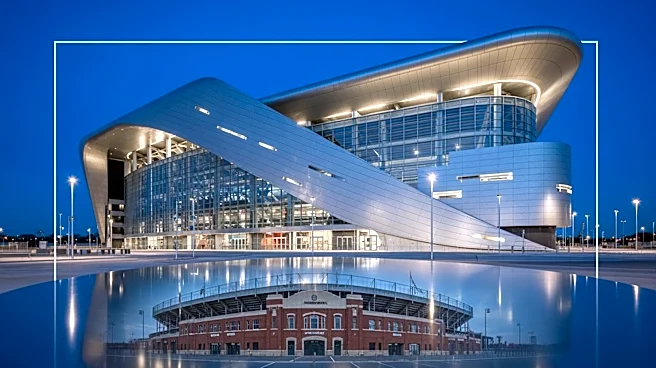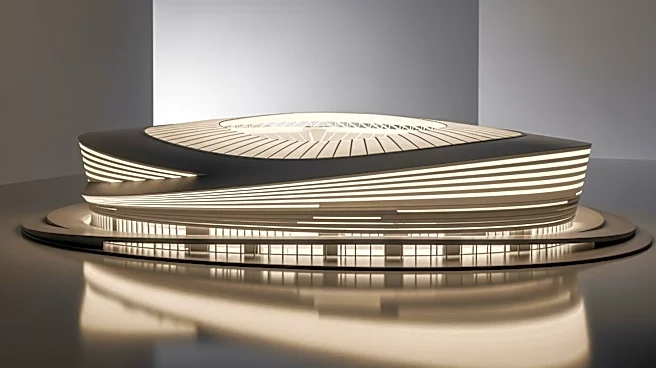

RheinEnergieStadion, located in Cologne, Germany, is a prominent football stadium with a rich history. Originally known as Müngersdorfer Stadion, it has undergone significant changes since its inception.
This article explores the stadium's development from its early days to its modern form, highlighting key milestones in its evolution.
Early Beginnings
The stadium's journey began in the early 1920s. It was initially constructed as Müngersdorfer Stadion, serving as a central hub for sports in Cologne. Over the years, it became an integral part of the city's sporting culture, hosting numerous local and international events. The stadium's capacity and facilities were modest by today's standards, but it played a crucial role in promoting football and other sports in the region.
As the home of 1. FC Köln, the stadium witnessed many memorable matches and events. Its location in Cologne made it a convenient venue for both local fans and visitors. Despite its initial success, the need for modernization became apparent as the years passed, leading to plans for renovation and expansion.
Major Renovations
The most significant transformation of the stadium occurred in the early 2000s. On December 20, 2001, construction began on a major renovation project aimed at modernizing the facility. This ambitious undertaking took approximately 30 months to complete, culminating in the reopening of the stadium on January 31, 2004.
The renovation project was extensive, involving the complete overhaul of the stadium's infrastructure. The seating capacity was increased to accommodate 50,000 spectators, making it the largest stadium in Cologne. The updated design incorporated modern amenities and improved facilities, enhancing the overall experience for fans and players alike.
A Modern Sporting Venue
Today, RheinEnergieStadion stands as a testament to the successful blending of tradition and modernity. It continues to serve as the home ground for 1. FC Köln, hosting Bundesliga matches and other significant sporting events. The stadium's strategic location and state-of-the-art facilities make it a preferred venue for international tournaments and concerts.
Adjacent to the stadium is the Radstadion Köln, further cementing the area's reputation as a sports hub. The stadium's modern design and amenities have made it a popular choice for both local and international events, attracting visitors from around the world.
In conclusion, RheinEnergieStadion's evolution from Müngersdorfer Stadion to its current form reflects the dynamic nature of sports infrastructure. Its ability to adapt and modernize while retaining its historical significance is a testament to its enduring legacy in the world of sports.