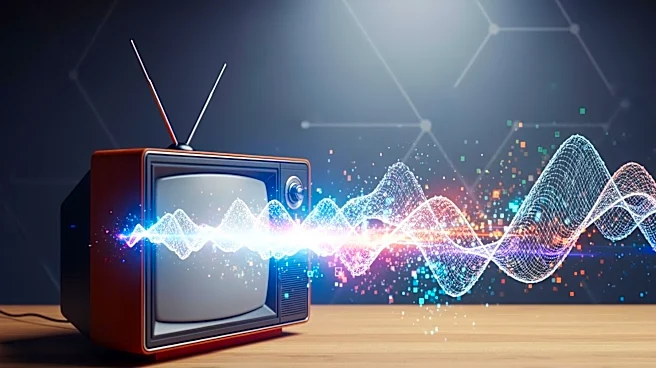








Media plays a pivotal role in shaping modern culture, influencing public opinion, taste, and values. From television and radio to the internet and social media, media channels have become central to cultural development. This article examines how media influences cultural norms and values, highlighting its impact on various aspects of society.
Media as a Cultural Shaper
Media serves as a powerful tool for shaping cultural norms and values. Through the dissemination of information
and entertainment, media channels influence how people perceive the world around them. Television, for example, has been a dominant medium for shaping public opinion since the 1950s. It presents a curated version of reality, often emphasizing certain values and lifestyles. This portrayal can lead to the normalization of specific cultural practices and beliefs, influencing how individuals view themselves and others.
The concept of media culture suggests that modern culture is largely a product of mass media. Media culture emphasizes the visual and symbolic aspects of media influence, highlighting how media shapes public perception through images and narratives. This cultural shaping is evident in the way media portrays gender roles, consumer behavior, and social issues, often reinforcing existing stereotypes and societal norms.
Media's Impact on Social Movements
Media also plays a crucial role in shaping social movements and public discourse. By providing a platform for marginalized voices and alternative perspectives, media can challenge dominant cultural narratives and promote social change. For instance, media coverage of civil rights movements and social justice issues has brought attention to important societal concerns, influencing public opinion and policy decisions.
However, media's role in social movements is not without controversy. The framing of news stories and the selection of topics can influence how audiences perceive social issues. Media outlets may prioritize sensational stories or focus on specific angles, shaping public perception in ways that align with their interests. This selective coverage can impact the effectiveness of social movements and the public's understanding of complex issues.
The Future of Media Influence
As media technologies continue to evolve, the influence of media on culture is likely to grow. The rise of digital media and social platforms has transformed how people consume and interact with media content. Individuals now have the ability to create and share their own media, leading to a more participatory and diverse media landscape.
The future of media influence will depend on how media channels adapt to changing technologies and audience behaviors. As media continues to shape cultural norms and values, understanding its impact on society remains a critical area of study. By examining the role of media in shaping modern culture, we can better understand the complex relationship between media and society.