



Shaving cream is an essential component of the shaving process, providing lubrication and protection for the skin. Its formulation and function are rooted in both chemistry and practical application. This article explores the science behind shaving cream, examining its composition and role in achieving a smooth shave.
Composition of Shaving Cream
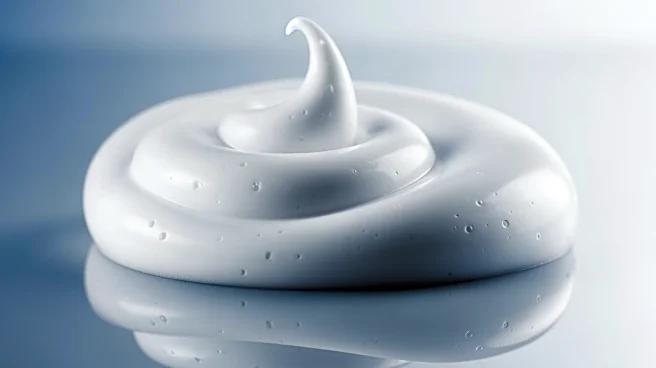
Shaving cream is a cosmetic product designed to soften hair and provide lubrication during shaving. It typically consists of an emulsion
of oils, soaps or surfactants, and water. The combination of these ingredients creates a creamy texture that can be easily applied to the skin.
There are different types of shaving creams, including aerosol shaving cream, latherless shaving cream, and lather shaving cream. Aerosol shaving creams, also known as shaving foams, contain propellants and oils that help create a rich lather. Latherless creams, on the other hand, do not produce lather and are often oil-in-water mixtures with added humectants and wetting agents.
Function and Benefits
The primary function of shaving cream is to provide lubrication, reducing friction between the razor and the skin. This lubrication helps prevent cuts, irritation, and razor burn, making the shaving process more comfortable. Additionally, shaving cream softens the hair, making it easier to cut and reducing the force required for a close shave.
Shaving creams also contain humectants, which help retain moisture in the skin and keep the lather hydrated. This is particularly important for maintaining a smooth glide of the razor over the skin. The presence of emollients and moisturizers in shaving cream further enhances skin hydration, leaving it feeling soft and supple after shaving.
Historical Development
The use of shaving cream dates back to ancient times, with rudimentary forms documented in Sumer around 3000 BC. These early preparations combined wood alkali and animal fat to create a shaving preparation. The modern concept of shaving cream emerged in the early 20th century, with the introduction of products like Barbasol, which offered an alternative to traditional shaving soap.
The development of pressurized shaving cream in 1949 marked a significant advancement, making it more convenient and accessible. Over the years, formulations have evolved to include various additives for enhanced performance and skin care benefits.
Shaving cream plays a crucial role in the shaving process, combining science and practicality to ensure a smooth and comfortable experience. Its evolution reflects ongoing efforts to improve personal grooming and skin care, making it an indispensable part of modern shaving routines.