






Hank Greenberg, a legendary figure in baseball, extended his influence beyond the playing field into the realm of team management and ownership. His contributions to the sport in these roles were significant, shaping the operations and success of the teams he was involved with. This article examines Greenberg's impact on baseball management and his legacy as a team executive.
Strategic Leadership with the Cleveland Indians
After retiring as a player, Greenberg transitioned into management with the
Cleveland Indians, initially serving as the farm director. His strategic vision and leadership were evident as he oversaw the development of young talent, laying the groundwork for the team's future success. Greenberg's promotion to general manager under new owner Ellis Ryan further solidified his role in shaping the team's direction.
Greenberg's tenure as general manager was marked by his ability to navigate challenges and make impactful decisions. His involvement in the syndicate that purchased the Indians in 1956 demonstrated his commitment to the team's success. Although he resigned as general manager in 1957, Greenberg's influence remained as he continued to be a part-owner and attempted to become the principal owner.
Revitalizing the Chicago White Sox
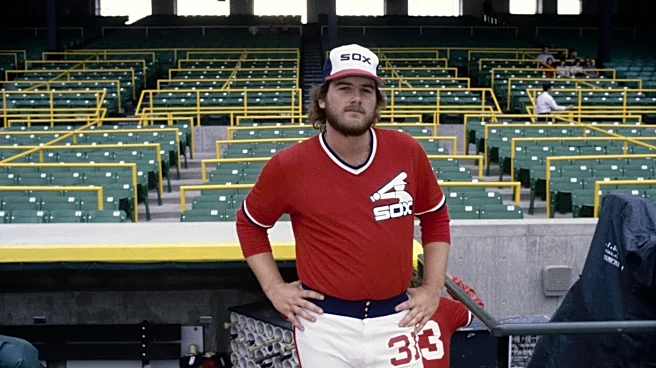
Greenberg's impact on baseball management extended to the Chicago White Sox, where he served as vice president and general manager after teaming up with Bill Veeck to purchase the team in 1959. His leadership was instrumental in the White Sox winning their first American League pennant since 1919, showcasing his ability to revitalize a team and lead them to success.
During his tenure with the White Sox, Greenberg's strategic decisions and management style contributed to the team's improved performance. His collaboration with Veeck was a testament to his ability to work effectively with others to achieve common goals. Greenberg's influence on the White Sox was significant, leaving a lasting legacy in the team's history.
Legacy and Influence in Baseball
Hank Greenberg's contributions to baseball management were marked by his strategic vision, leadership, and ability to adapt to various roles. His impact on the Cleveland Indians and Chicago White Sox demonstrated his understanding of the sport and his capacity to lead teams to success. Greenberg's legacy as a baseball executive is a testament to his influence and contributions to the sport.
His journey from player to executive highlights the diverse paths within baseball and the potential for individuals to make significant contributions beyond the playing field. Greenberg's story serves as an inspiration for those looking to make an impact in the world of sports management, showcasing the importance of strategic leadership and vision.