


The lotus position, or Padmasana, is not only a significant pose in yoga and meditation but also a powerful symbol in art and culture. Its representation in various forms of art highlights its spiritual and cultural impact across different traditions and eras.
The Lotus Position in Religious Art
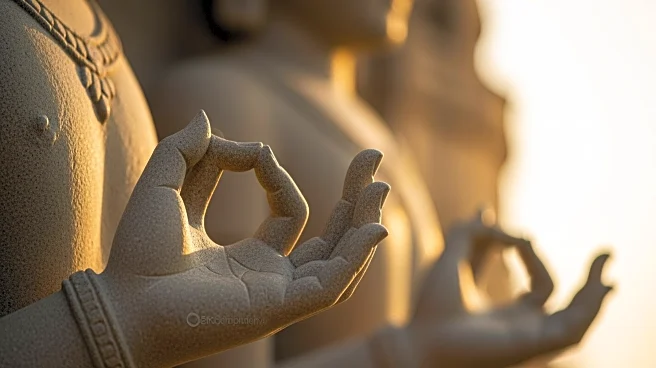
In religious art, the lotus position is frequently depicted as a symbol of meditation and spiritual enlightenment. In Buddhism, statues of Gautama Buddha often show him seated in the lotus position,
sometimes enthroned on a lotus flower. This imagery represents the Buddha's enlightenment and his teachings on meditation and mindfulness.
Similarly, in Hinduism, the lotus position is associated with gods such as Shiva, who is often depicted as a meditating ascetic. The pose symbolizes spiritual discipline and the pursuit of enlightenment. In Jainism, the Tirthankaras, or spiritual teachers, are also represented in the lotus position, emphasizing its importance in meditation and spiritual practice.
The Lotus Position in Modern Culture
In modern culture, the lotus position has transcended its religious origins to become a symbol of health, well-being, and mindfulness. It is commonly used in advertising to convey messages of peace and balance. Products related to healthy living, such as vitamins, fitness clubs, and even unrelated items like cars and financial services, often use images of the lotus position to promote a sense of well-being.
The pose's association with yoga and meditation has made it a popular image in promoting a lifestyle of mindfulness and relaxation. This cultural impact is evident in various media, including literature and film, where the lotus position is used to depict characters engaged in meditation or seeking spiritual growth.
The Lotus Position as a Cultural Icon
The lotus position's enduring presence in both ancient and modern art highlights its status as a cultural icon. Its representation in statues, paintings, and other forms of art underscores its significance as a symbol of spiritual and physical harmony. The pose's cultural impact extends beyond its physical practice, influencing perceptions of meditation and mindfulness in contemporary society.
As a cultural icon, the lotus position continues to inspire artists and practitioners alike, serving as a reminder of the timeless pursuit of enlightenment and inner peace. Its representation in art and culture reflects its deep-rooted significance in spiritual traditions and its ongoing relevance in promoting a balanced and mindful lifestyle.