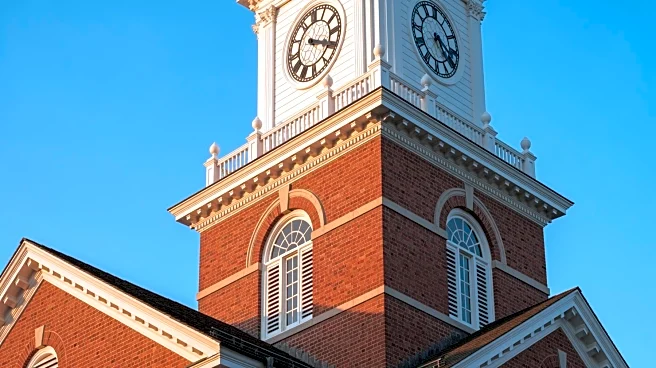




Independence Hall in Philadelphia is not only a symbol of American history but also a remarkable example of Georgian architecture. Completed in 1733, this historic building has witnessed the birth of the United States, serving as the site where both the Declaration of Independence and the U.S. Constitution were debated and adopted. Beyond its historical importance, the architectural design of Independence Hall offers a glimpse into the aesthetic and structural
preferences of the colonial era.
Georgian Architecture
Independence Hall is a prime example of American Georgian architecture, a style that was prevalent in the colonies during the 18th century. This architectural style is characterized by its symmetry, classical proportions, and the use of brick with stone masonry accents. The building's red brick façade, central building with a belltower and steeple, and the arcaded hyphens connecting to two smaller wings are all hallmarks of this style. The design reflects a sense of order and balance, which was highly valued during the period.
The building's construction was overseen by Edmund Woolley and Andrew Hamilton, with Woolley also serving as the builder. The use of hard-burned brick and stone masonry not only provided durability but also added to the aesthetic appeal of the structure. The Georgian style of Independence Hall was considered the "greatest ornament in the town" at the time of its completion, highlighting its architectural significance.
Structural Features
The structural design of Independence Hall includes several notable features that contribute to its historical and architectural value. The building's central portion is original, while the side wings and steeple have been reconstructed over time. The original wooden steeple was removed in 1781 due to structural issues and was later replaced with a more elaborate design by William Strickland in 1828.
Inside, the building features a wrought iron framing system, which was innovative for its time. This system used rolled I-beams, representing one of the earliest uses of such technology in building construction. The interior also mirrors the exterior's use of round-arch openings for doorways, maintaining the architectural coherence throughout the structure.
Preservation and Restoration
Over the years, Independence Hall has undergone numerous renovations to preserve its architectural integrity. The building was restored to its original appearance in the mid-20th century, with efforts focused on maintaining its historical accuracy. The National Park Service has played a crucial role in these preservation efforts, ensuring that the building remains a testament to both American history and Georgian architecture.
Today, Independence Hall stands as a UNESCO World Heritage Site, recognized for its outstanding universal value. Its architectural design continues to attract visitors from around the world, offering a window into the colonial past and the architectural trends of the 18th century.