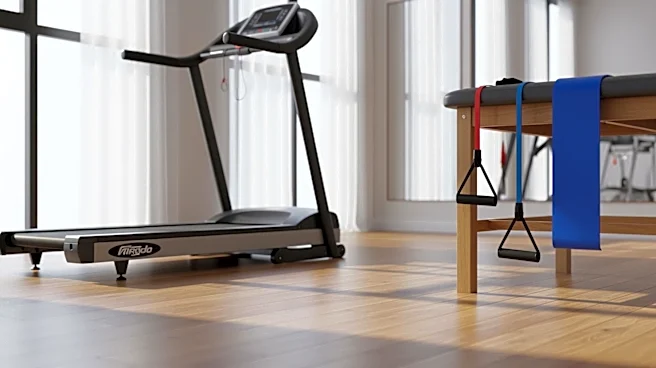







Eccentric training is increasingly recognized for its effectiveness in rehabilitation settings. By focusing on the controlled lengthening of muscles, this training method offers unique benefits for individuals recovering from injuries or dealing with chronic conditions. Its application in rehabilitation is supported by its ability to strengthen muscles with minimal energy expenditure and reduced risk of re-injury.
Eccentric Training for Injury Recovery
One of the key applications of eccentric
training is in the recovery from muscle and tendon injuries. The controlled nature of eccentric movements allows for the gradual strengthening of the affected areas without placing excessive stress on them. This is particularly beneficial for conditions like tendinosis, where the tendons become inflamed or damaged due to repetitive stress.
Eccentric exercises help in remodeling the tendon structure, promoting healing and reducing pain. For example, eccentric calf raises are commonly used in the treatment of Achilles tendinitis, providing a controlled way to load the tendon and encourage recovery. The high force production during eccentric contractions also aids in rebuilding muscle strength, which is crucial for a successful rehabilitation process.
Benefits for Chronic Conditions
Eccentric training is not only useful for acute injuries but also for managing chronic conditions. Its low metabolic cost makes it an ideal exercise modality for individuals with limited exercise capacity, such as those with chronic obstructive pulmonary disease (COPD) or cardiovascular issues. The ability to generate high forces with minimal energy expenditure allows these individuals to engage in effective strength training without overexerting themselves.
Moreover, eccentric training can improve functional mobility in older adults, helping them maintain independence and reduce the risk of falls. By focusing on exercises that target the lower body, such as eccentric squats, older adults can enhance their strength and stability, which are critical for daily activities.
Implementing Eccentric Training in Rehabilitation
Incorporating eccentric training into a rehabilitation program requires careful planning and progression. It is essential to start with low-intensity exercises and gradually increase the load as the individual's strength and tolerance improve. This approach minimizes the risk of exacerbating the injury while maximizing the benefits of eccentric training.
Healthcare professionals often use eccentric training in conjunction with other rehabilitation techniques to provide a comprehensive recovery plan. By tailoring the exercises to the individual's specific needs and limitations, eccentric training can be a powerful tool in the journey to recovery and improved quality of life.