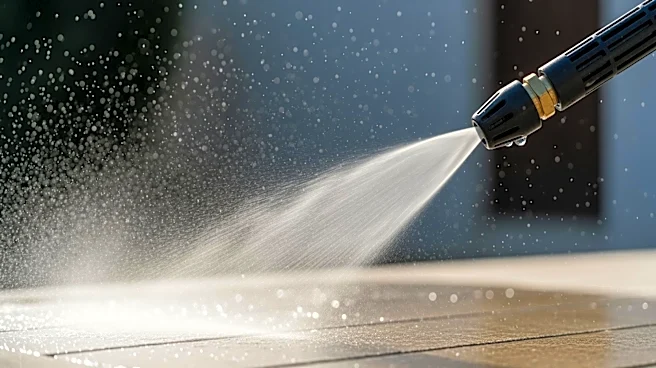








Pressure washing, also known as power washing, is a versatile cleaning method that employs high-pressure water spray to remove dirt, grime, mold, and loose paint from surfaces. This technique is widely used in both residential and commercial settings, offering numerous benefits in terms of cleanliness, aesthetics, and safety.
Residential Applications of Pressure Washing
In residential settings, pressure washing is commonly used to clean surfaces such as gutters, roofs, decks, paved areas, siding,
cladding, and windows. Homeowners often employ pressure washing to enhance the appearance of their properties, reduce allergens, and minimize hazards. By removing accumulated dirt and debris, pressure washing can significantly improve the aesthetic appeal of a home.
Pressure washing is particularly effective for cleaning driveways and walkways, where oil and grease stains can be challenging to remove. Hot water pressure washers are ideal for these tasks, as the heated water helps emulsify and lift stubborn residues. Additionally, pressure washing can be used to prepare surfaces for painting or sealing, ensuring a clean and smooth base for these applications.
Commercial and Industrial Uses of Pressure Washing
In commercial and industrial settings, pressure washing is employed to clean large buildings, office complexes, schools, hospitals, and other facilities. The technique is used to maintain the exterior appearance of these structures, as well as to ensure safety by removing potential hazards such as mold and mildew.
Pressure washing is also used in the cleaning of vehicles, including cars, trucks, and boats. The high-pressure water spray effectively removes dirt, salt, and other contaminants that can accumulate on vehicle surfaces, helping to prevent corrosion and maintain the vehicle's appearance.
In industrial applications, pressure washing is used to clean equipment and machinery, ensuring optimal performance and longevity. Hydrojetting, a more powerful form of pressure washing, is employed to remove buildup and debris in tanks and lines, offering advantages such as low fire and explosion hazards.
Benefits of Pressure Washing
Pressure washing offers several benefits, including improved aesthetics, reduced allergens, and enhanced safety. By removing dirt, grime, and mold, pressure washing can significantly improve the appearance of surfaces, making them look clean and well-maintained.
The technique also helps reduce allergens by removing mold and mildew, which can contribute to respiratory issues. Additionally, pressure washing can minimize hazards by eliminating slippery surfaces caused by accumulated dirt and debris.
Overall, pressure washing is a highly effective cleaning method that offers numerous advantages in both residential and commercial settings. Its versatility and efficiency make it a valuable tool for maintaining cleanliness and safety in various environments.