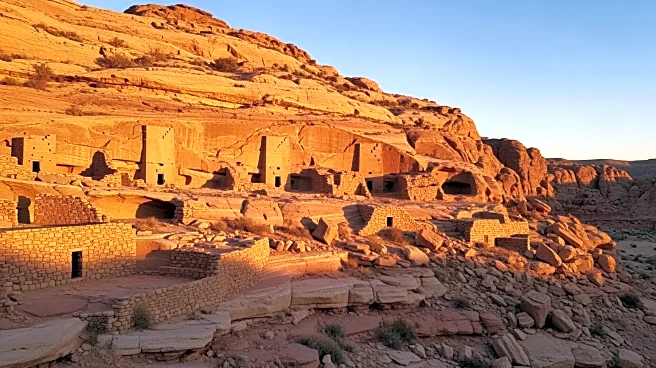

Mesa Verde National Park is home to some of the most remarkable architectural achievements of the Ancestral Puebloans. The park's cliff dwellings, including the famous Cliff Palace, are a testament to the ingenuity
and skill of these ancient builders. These structures, nestled within the cliffs of the park, offer a unique glimpse into the architectural practices and daily lives of the people who once inhabited the region.
The Construction of Cliff Dwellings
The cliff dwellings of Mesa Verde were primarily constructed using sandstone, mortar, and wooden beams. The Ancestral Puebloans shaped the sandstone using harder stones and used a mixture of soil, water, and ash as mortar to hold the structures together. To ensure stability, they placed "chinking" stones within the mortar to fill gaps.
The dwellings were often built within natural alcoves in the cliffs, providing protection from the elements. The structures were designed to be both functional and defensible, with small doorways and strategic placement within the cliffs. The average height of the doorways reflects the stature of the people at the time, with men averaging about 5 feet 6 inches and women about 5 feet tall.
The Significance of Kivas
A notable feature of the cliff dwellings is the presence of kivas, which are round, sunken rooms of ceremonial importance. Cliff Palace, for example, contains 21 kivas, each with a firepit, ventilation system, and a small hole in the floor known as a sipapu. The sipapu is believed to symbolize the entryway for living souls into the current world.
The kivas were central to the social and ceremonial life of the Ancestral Puebloans. They were used for religious rituals and community gatherings, reflecting the importance of spirituality and community cohesion in Puebloan society. The high ratio of kivas to living rooms in Cliff Palace suggests that it may have been a significant social and administrative center.
Preservation Efforts
Since the rediscovery of the cliff dwellings in the late 19th century, efforts have been made to preserve these architectural marvels. The establishment of Mesa Verde National Park in 1906 was a crucial step in protecting the site from looting and destruction. Preservation initiatives have focused on stabilizing the structures and preventing further erosion.
Today, visitors to Mesa Verde National Park can explore these ancient dwellings through guided tours, gaining insight into the architectural prowess and cultural significance of the Ancestral Puebloans. The park serves as a living museum, preserving the legacy of a remarkable civilization and offering a window into the past.