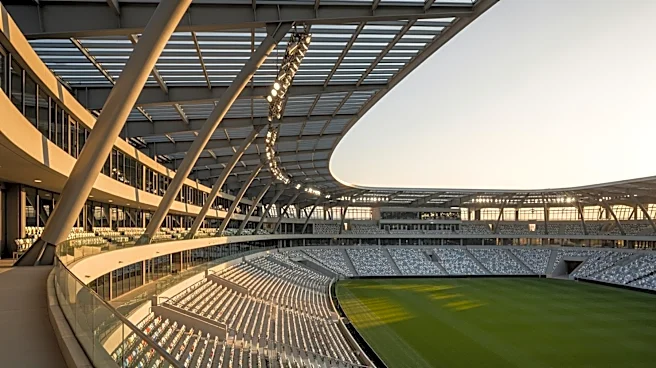

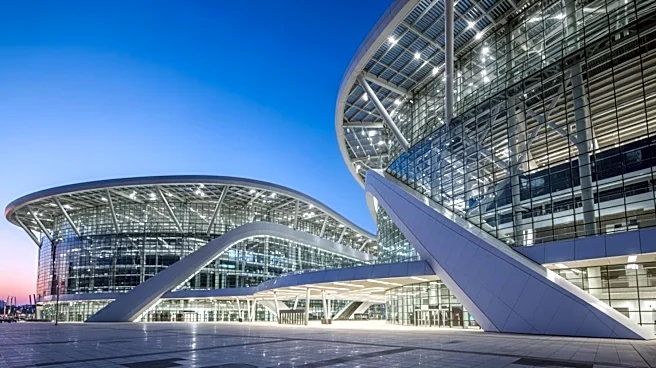

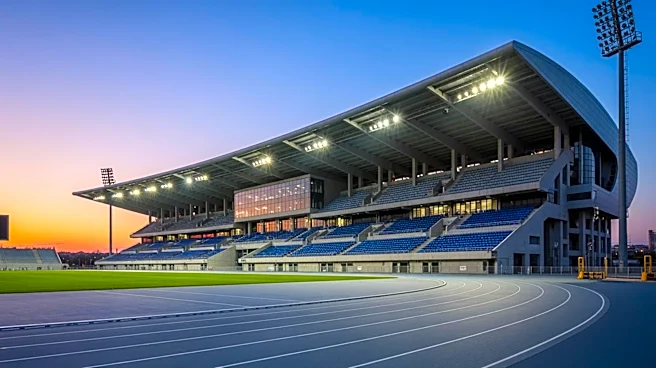
Miyagi Stadium, located in Rifu, Miyagi Prefecture, Japan, is a significant venue in the world of sports. Known for its crescent-shaped roof that evokes the image of Date Masamune, a historical figure from the region, the stadium has undergone several transformations since its inception. This article explores the stadium's journey from its construction to its current status as a modern sports venue.
Construction and Early Years
Miyagi Stadium broke ground in 1996 and officially
opened its doors in March 2000. With a seating capacity of 49,133, it was designed to host both athletic and football events. The stadium's design, particularly its distinctive roof, pays homage to the local history and culture, specifically the legacy of Date Masamune, a daimyō of the Mutsu Province.
In its early years, Miyagi Stadium quickly became a hub for major sporting events. It hosted the 56th National Sports Festival of Japan in 2001, marking its entry into the national sports scene. The stadium's capacity and facilities made it an ideal location for large-scale events, setting the stage for its future role in international sports.
Hosting International Events
Miyagi Stadium gained international recognition when it hosted three matches during the 2002 FIFA World Cup. This event was a significant milestone, as it placed the stadium on the global map and showcased its ability to handle events of such magnitude. The stadium's role in the World Cup was a testament to its design and infrastructure, which could accommodate large crowds and provide a world-class experience.
In 2012, the stadium hosted six matches of the FIFA U-20 Women's World Cup, becoming the first and only stadium to host matches in both a men's FIFA World Cup and a women's FIFA U-20 World Cup. This achievement highlighted the stadium's versatility and its importance in promoting women's sports on an international level.
Recent Developments and Current Use
In recent years, Miyagi Stadium has continued to evolve. From 2014 to 2020, it was known as Hitomebore Stadium Miyagi, named after a local rice variety, due to a sponsorship agreement. In 2020, the stadium adopted its current name, Q&A Stadium Miyagi, reflecting its ongoing partnerships and commercial viability.
Today, the stadium serves as a venue for various sports teams, including Vegalta Sendai, Mynavi Sendai Ladies, and Sony Sendai FC. It also hosts the Japan National Football Team for select matches. The stadium's facilities, including a nine-lane track and a large video screen, make it a versatile venue for both sports and entertainment events.
Miyagi Stadium's journey from its construction to its current status as a premier sports venue is a testament to its adaptability and significance in the world of sports. Its ability to host international events and its ongoing use by local teams ensure that it remains a vital part of the sports landscape in Japan.